Why Helping Others Can Be One of the Best Things You Do for Your Mind


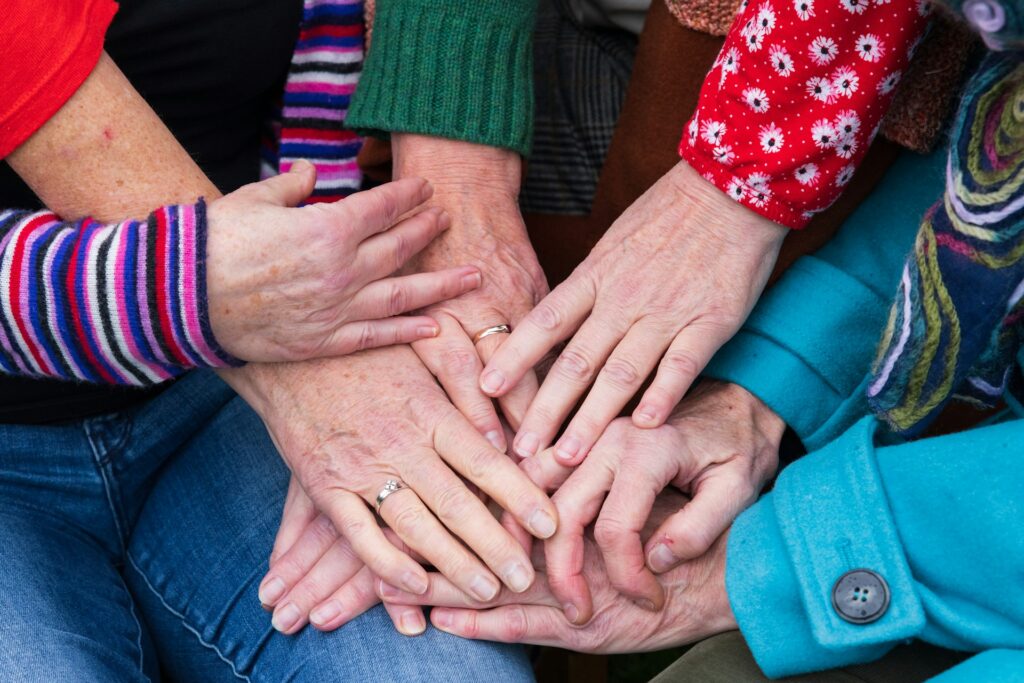
Life moves fast, and stress can build up before you even notice it. Many people look for ways to feel calmer, happier, and more connected. While therapy, exercise, and meditation often come up in conversations about mental health, there is another powerful option that is sometimes overlooked. Giving back to the community can deeply support your mental well-being.
When you help others, you also help yourself. Research and real-life experience both show that acts of service can improve mood, reduce stress, and create a stronger sense of purpose. Even better, giving back does not require huge gestures. Small actions can make a big difference for your mental health and for the people around you.
Let’s explore how helping your community can positively affect your mind and emotions.
The Emotional Lift That Comes From Helping Others
When you give your time or skills to others, your brain responds positively. Helping triggers the release of feel-good chemicals like dopamine, oxytocin, and serotonin. As a result, you often feel calmer, happier, and more emotionally balanced.
At the same time, focusing on someone else’s needs helps break cycles of negative thinking. Instead of replaying worries or self-doubt, your attention shifts outward. This mental break can lower anxiety and reduce symptoms of depression.
In addition, helping others creates moments of genuine joy. Seeing someone smile or feel relieved because of your support brings an emotional reward that neither money nor material success can replace.
How Giving Back Builds a Strong Sense of Purpose
Many people struggle with feeling lost or unfulfilled, especially during stressful life transitions. Giving back to the community can help you rediscover meaning.
When you contribute to something larger than yourself, your actions feel important. You begin to see how your presence matters. Over time, this sense of purpose can increase motivation and self-worth.
Moreover, purpose gives structure to life. Volunteering regularly or supporting a cause you care about adds rhythm and direction to your days. That structure can be invaluable if you feel overwhelmed or emotionally drained.
Strengthening Social Connections Through Community Service
Humans thrive on connection. Unfortunately, loneliness has become more common, even in a digitally connected world. Giving back creates natural opportunities to build genuine relationships.
When you volunteer or help locally, you meet people who share your values. These shared experiences often lead to meaningful conversations and friendships. As a result, you feel less isolated and more supported.
Additionally, strong social ties act as a buffer against stress. When life gets tough, knowing you belong to a community can improve emotional resilience and overall mental health.
Reducing Stress by Shifting Focus Away From Yourself
Stress often grows when you feel stuck in your own thoughts. Giving back offers a healthy way to shift focus.
By helping others, you give your mind a break from constant self-evaluation. Even short acts of kindness can interrupt stress patterns and help you feel more grounded.
Furthermore, service activities often involve physical movement or time outdoors. Both of these elements support stress reduction and improve mood. Whether you are planting trees or serving meals, your body and mind benefit together.
Boosting Confidence and Self-Esteem Naturally
Low self-esteem can quietly affect mental health. Giving back helps counter that by reminding you of your strengths.
When you help others, you see direct proof that your actions matter. You begin to trust your abilities more. Over time, this builds confidence and a healthier self-image.
In addition, learning new skills through volunteering can increase personal growth. Each success reinforces the idea that you are capable and valuable, which supports long-term emotional well-being.
The Mental Health Benefits of Gratitude and Perspective
Helping those in need often brings a new perspective on life. While this does not minimize your struggles, it can help you see them differently.
Giving back encourages gratitude. You start to notice what you have rather than focusing only on what feels missing. Gratitude has been linked to improved mood, better sleep, and lower levels of anxiety.
At the same time, serving others can help you develop empathy. Understanding different life experiences deepens emotional intelligence and improves relationships in all areas of life.
How Community Involvement Supports Long-Term Mental Wellness
Mental health is not just about avoiding illness. It is about building habits that support emotional balance over time. Giving back fits naturally into a healthy lifestyle.
When helping others becomes part of your routine, it creates positive feedback loops. You feel good, so you stay engaged. Staying engaged enables you to feel even better.
Over the long term, this consistent sense of connection and purpose can protect against burnout and emotional fatigue. It also supports healthier coping strategies during challenging moments.
Simple Ways to Start Giving Back Without Feeling Overwhelmed
You do not need to overhaul your life to experience the mental health benefits of giving back. Small steps count.
You might start by checking in on a neighbor, donating clothes, or offering your skills online. Even listening to someone who needs support can be a powerful act of service.
Additionally, choose activities that align with your interests. When giving back feels enjoyable, it becomes sustainable. Over time, these small efforts can grow into meaningful commitments.
Making Giving Back Part of Your Self-Care Routine
Self-care does not always mean focusing inward. In fact, caring for others can be a powerful form of self-care.
By scheduling time to help others, you protect space for meaningful connection and purpose. This balance between caring for yourself and supporting others leads to healthier emotional boundaries.
Most importantly, giving back reminds you that mental health is not just an individual journey. It is deeply connected to the communities we live in and support.
Final Thoughts on Community and Mental Health
Giving back to the community offers more than just social good. It nurtures emotional health, strengthens resilience, and brings lasting fulfillment.
Through connection, purpose, and compassion, acts of service help the mind heal and grow. Whether you give a little time or ongoing support, your mental health can benefit in ways that feel natural and rewarding.
If you are looking for a meaningful way to improve your well-being, consider starting with kindness. Helping others may be one of the most effective mental health tools you already have.