Tennis Training Guide: Master Strategy, Skill, and Stamina for Peak Performance


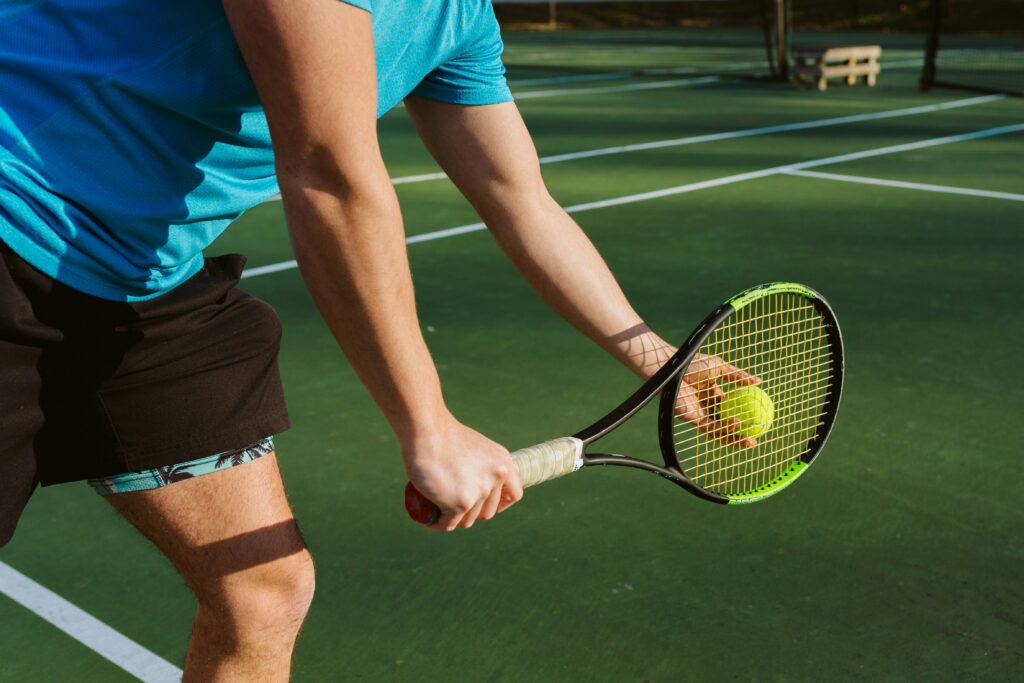
Improving performance on the tennis court requires far more than casual hitting sessions or occasional fitness work. Players who want to grow must train with purpose, combining technical development, physical fitness, tactical awareness, and mental discipline into a single, cohesive process.
Tennis demands precision, patience, speed, and resilience, often all within the same match. Because of that, progress comes fastest when training follows a clear structure rather than relying solely on repetition. With the right mindset and a consistent routine, players can sharpen every part of their game,
Building a Strong Foundation in Technique
Every successful tennis player begins with solid technique, because clean fundamentals shape every shot played during a match. Proper grip, body positioning, balance, and timing all influence how well a player can control the ball under pressure. When technique is inconsistent, even talented athletes struggle to maintain rhythm.
Strong technique also helps reduce wasted effort and prevent injury over time. Efficient strokes place less strain on the arm, shoulder, and lower body while producing better results. A smooth forehand, a stable backhand, and a dependable serve give players a reliable base they can trust in difficult moments.
Developing Tactical Awareness on the Court
Tennis is not only a physical but also a strategic sport, which means players must learn to think clearly during play. Tactical awareness allows athletes to understand what is happening in a match and adjust before problems grow.
Reading an opponent well often changes the course of a match. Some players prefer crosscourt exchanges, while others rely on aggressive serving or defensive consistency. Once those habits become clear, smart competitors can target weaknesses and avoid feeding strengths.
Enhancing Footwork and Court Movement
Good footwork is one of the most important elements in tennis training, because nearly every shot depends on proper positioning. Players often focus on racket skills first, yet even the best swing becomes less effective when the body arrives late or off balance.
Movement quality also affects energy use throughout a match. Players who move efficiently waste less effort, recover faster between shots, and stay composed during long rallies. In contrast, poor footwork results in rushed swings and weak contact, often leading to unforced errors. As a result, improved movement supports both better technique and endurance.
Incorporating Match Simulation in Practice
Practice becomes more valuable when it reflects the real demands of competition. Many players hit well in drills but struggle to apply those valuable skills during actual matches because practice does not include enough pressure or variation. Match simulation helps bridge that gap by training decision-making, emotional control, and tactical adjustment in realistic situations.
Simulated match play allows athletes to test patterns they have practiced in isolation. They can work on serving under scoreboard pressure, defending in long rallies, or attacking short balls with intention. This kind of training helps players understand not only how to execute shots, but also when to use them. As a result, their skills become more practical and reliable when competition begins.
Strengthening Physical Endurance and Stamina
Stamina is essential in tennis because matches can last much longer than expected, especially when points become demanding and momentum shifts repeatedly. A player may start strongly, but without endurance, performance can drop quickly as fatigue builds. That decline often affects movement, focus, and decision-making before it affects effort.
Cardiovascular conditioning improves a player’s ability to recover between points and sustain intensity over time. Running, cycling, interval training, and on-court endurance drills all help strengthen the body’s ability to perform under stress. These exercises help players keep their footwork sharp and their shot quality consistent, even as matches grow longer.
Refining Serve and Return Skills
The serve is one of the most powerful weapons in tennis because it begins every point and gives players a chance to take immediate control. A strong serve does not rely on speed alone. Placement, disguise, rhythm, and spin all matter when building a reliable and effective motion. Players who invest time in serving practice often gain a major advantage in both offensive and defensive situations.
A dependable serve also creates confidence in important moments. Whether facing a break point or trying to close out a set, players benefit from knowing they can trust their motion. Practicing wide serves, body serves, and serves down the middle gives athletes more options under pressure. As their serving patterns improve, they become harder to read and more capable of controlling service games.
Maintaining Consistency Through Routine
Long-term improvement in tennis depends on consistency more than occasional bursts of motivation. Players make the greatest progress when they follow routines that support regular development in skill, fitness, and recovery. A structured weekly schedule helps ensure that every important area receives attention rather than being ignored until weaknesses become obvious.
Routine also creates discipline, which is one of the strongest advantages a player can develop. When training becomes habitual, progress no longer depends solely on mood. Players show up with purpose, complete meaningful work, and build confidence from steady repetition.
Creating a Balanced Path to Peak Performance
Reaching peak performance in tennis requires balance across every part of training. Modern technique provides control, tactics create smarter play, movement improves court coverage, and stamina supports performance deep into matches. At the same time, mental strength, serving ability, and consistent routines hold everything together.
The most effective players understand that tennis development is a process rather than a quick fix. Improvement comes from repeated effort, honest evaluation, and the willingness to train both strengths and weaknesses. Each practice session adds value when it connects to a larger goal.