Tennis and Basketball: Understanding the Difference Between Solo and Team Sports


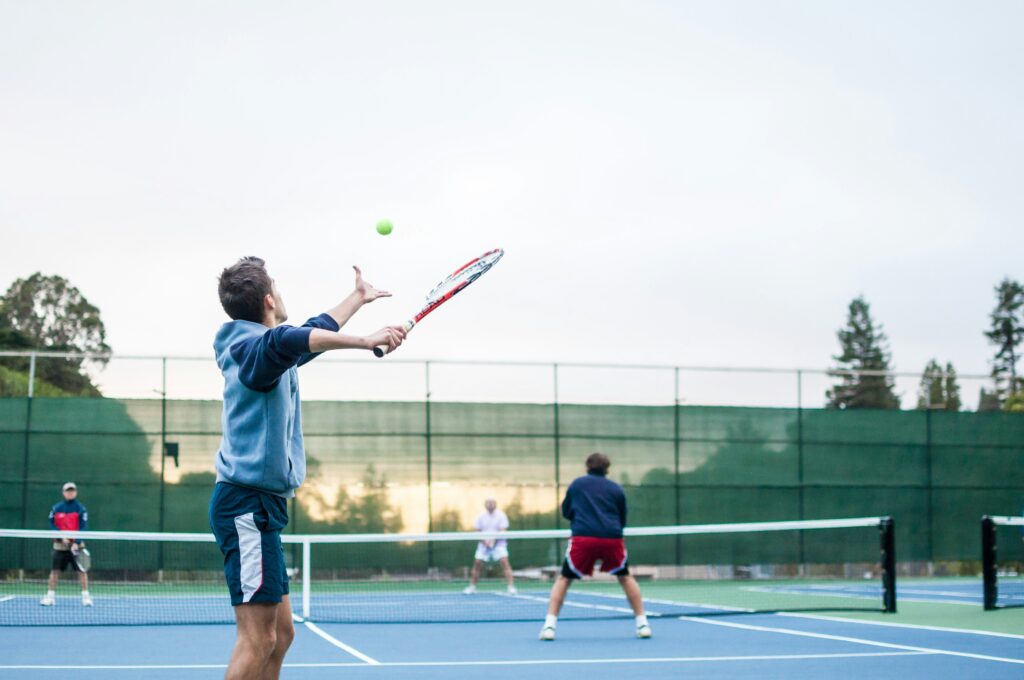
Sports teach discipline, focus, and determination; however, not all sports challenge athletes equally. Tennis and basketball are excellent examples of two very different athletic experiences. Tennis is primarily a solo sport in which one player is responsible for every decision and action on the court. Basketball, on the other hand, depends heavily on teamwork and coordination among players. Although both sports require skill and practice, they differ greatly in communication, pressure, strategy, and personal responsibility.
Individual Responsibility in Tennis
Tennis places complete responsibility on one athlete during a match. Every serve, return, and movement depends entirely on the player’s ability and mental focus. As a result, tennis athletes must rely on themselves to solve problems during competition. If a player makes mistakes, there is no teammate available to correct them or provide immediate on-court support.
Additionally, tennis players often develop strong self-discipline because they must manage every aspect of their performance independently. They control the pace of the game, adjust strategies, and maintain emotional balance under pressure. Therefore, success in tennis usually reflects an athlete’s personal preparation, confidence, and mental toughness.
Teamwork and Cooperation in Basketball
Basketball works very differently because players must cooperate constantly to succeed. Each athlete has a role that contributes to the team’s overall performance. For example, some players focus on scoring, while others specialize in defense or passing. Consequently, basketball requires trust and communication between teammates throughout the game.
Moreover, basketball players share responsibility for victories and losses. If one athlete struggles, teammates can provide support and help recover from mistakes. Because of this shared effort, basketball often creates a strong sense of unity and teamwork. Players learn to communicate effectively, adapt to group strategies, and rely on others in high-pressure situations.
Mental Pressure and Emotional Challenges
Tennis places intense mental pressure on athletes because they compete alone. During difficult moments, players cannot rely on coaches or teammates for immediate guidance. Instead, they must stay calm and solve challenges independently. Therefore, mental strength becomes just as important as physical skill in tennis.
In contrast, basketball players experience pressure differently because they work within a group environment. Teammates encourage one another and share emotional burdens during games. As a result, athletes may feel less isolated when facing setbacks. Furthermore, team celebrations and support can improve confidence and motivation during difficult situations.
Strategy and Decision-Making
Strategy in tennis focuses mainly on personal performance and on adapting to a single opponent. Players study their opponent’s weaknesses and adjust their shots, movement, and timing throughout the match. Since the game moves quickly, athletes must make independent decisions within seconds. Consequently, tennis players develop strong analytical and problem-solving abilities.
Meanwhile, basketball strategies involve coordinated teamwork and organized plays. Coaches create systems that require players to move together and communicate effectively. In addition, athletes must constantly respond to both teammates’ and opponents’ actions. Because of this complexity, basketball emphasizes group decision-making more than individual control.
Physical Demands and Playing Style
Both sports require excellent fitness, yet they challenge the body in different ways. Tennis players depend heavily on endurance, quick reflexes, and agility because they play alone on the court. They repeatedly sprint, stop, and change direction during long matches. Therefore, tennis demands strong cardiovascular conditioning and consistent concentration.
Basketball also requires speed and endurance; however, players divide physical responsibilities among teammates. Athletes frequently jump, run, defend, and attack during fast-paced gameplay. At the same time, basketball involves more physical contact than tennis, which creates additional challenges for balance and strength. Consequently, players must combine athleticism with teamwork to perform effectively.
Learning Experience and Personal Growth
Tennis often teaches independence and self-reliance because athletes handle success and failure on their own. Players learn how to stay motivated, manage frustration, and maintain focus without constant support. As a result, many tennis athletes develop strong confidence and personal accountability over time.
On the other hand, basketball teaches cooperation and leadership within a group setting. Players discover how to support teammates, communicate clearly, and work toward common goals. Furthermore, team sports help athletes build friendships and social skills through shared experiences. Therefore, basketball encourages both personal growth and the development of teamwork.
Tennis and basketball may both be competitive sports, but they offer very different experiences for athletes. Tennis focuses on individual responsibility, mental toughness, and personal decision-making. In contrast, basketball emphasizes teamwork, communication, and shared success. While tennis players rely mostly on themselves, basketball athletes depend on collaboration and coordination with teammates. Ultimately, both sports provide valuable lessons and unique challenges that help athletes grow physically, mentally, and emotionally.