The Benefits of Kindness: What Every Parent Should Know for Raising Confident Kids


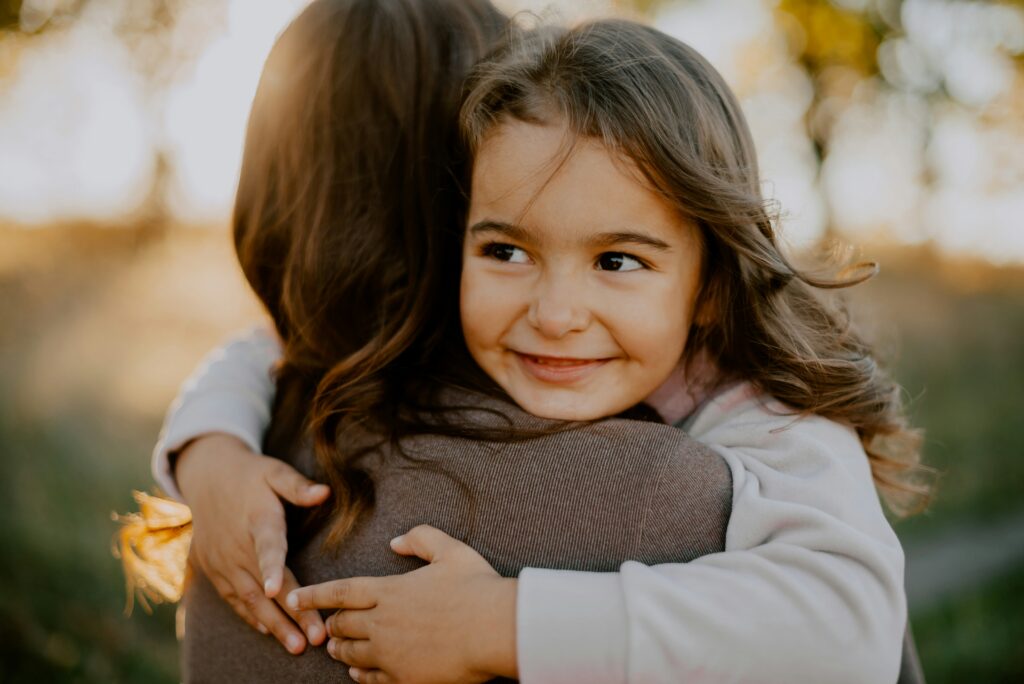
Kindness shapes the way children grow, learn, and understand the world. When parents introduce kindness early, kids build emotional strength and learn how to connect with others. These experiences guide them through challenges and help them form healthy habits. Children feel supported when adults show kindness consistently, and this support encourages them to explore life with confidence. The benefits of kindness begin at home, where every caring action teaches lessons that last through adulthood.
Parents influence a child’s mindset every day through their tone, reactions, and behavior. Kids pay attention to what adults do, and they copy those actions. When kindness guides these moments, children learn to treat themselves and others with respect. As they recognize the benefits of kindness in their daily lives, they understand that compassion builds stronger relationships. These early lessons shape character and prepare kids for school, friendships, and future success.
How Kindness Builds Emotional Strength
Children grow emotionally when kindness surrounds them. They feel safe when parents listen carefully and respond with warmth. This sense of safety encourages them to talk about their feelings without fear. When children understand that their emotions matter, they learn how to express themselves in healthy ways. Their confidence grows because they know someone supports them through every challenge.
Kindness also helps children manage stress with more ease. When parents comfort their kids during challenging moments, they teach them how to stay calm. This guidance encourages children to see problems as opportunities they can handle rather than as something to fear. Kids learn coping skills through these interactions, thereby strengthening their emotional resilience. As they continue to feel the benefits of kindness, they trust their ability to face new experiences.
How the Benefits of Kindness Influence Social Development
Children connect more easily with others when kindness becomes part of their daily life. They learn how to listen, share, and communicate with respect. These skills help them form friendships that last. Kids who understand compassion approach social situations with confidence because they know how to treat people with care. Strong social skills allow them feel included and valued in groups.
Kindness also reduces conflicts because it teaches children how to respond gently. When they think about how their actions affect others, they make thoughtful choices. This awareness leads to better problem-solving and deeper friendships. Parents who model the benefits of kindness help kids build healthy social patterns. These patterns continue as they grow and enter more complex social environments.
The Benefits of Kindness in Academic Growth
Children learn better when they feel supported and understood. Kindness helps create a home and school environment where kids feel safe asking questions. They try new things because they know mistakes do not define them. This confidence encourages them to explore subjects more fully. Kids who feel reassured develop a love for learning that lasts through school years.
Kindness also supports focus and motivation. When parents show interest in what their child learns, the child feels proud and motivated to keep going. Encouragement becomes fuel for effort. The benefits of kindness appear in how children handle challenges in their schoolwork. They keep trying, stay patient, and grow stronger academically because compassion surrounds their learning journey.
Why Kindness Encourages Healthy Self-Esteem
Children develop healthy self-esteem when kindness shapes their experiences. They learn to see themselves as capable and valued. When parents celebrate effort instead of perfection, kids understand that growth matters. This approach helps them feel confident in their abilities. Kids who experience kindness believe they can improve with practice and patience.
Kindness also reduces negative self-talk. When parents guide children with compassion, kids learn to speak to themselves with more care. They stop being afraid of failure because they know kindness remains constant. This mindset helps them build inner strength that carries them through difficult times. The benefits of kindness become clear in the way children stand tall, take chances, and trust themselves.
How Compassion Encourages Positive Behavior
Parents see positive behavior flourish when kindness becomes part of daily routines. Children behave better when they feel loved and respected. A gentle tone and patient response guide them more effectively than harsh reactions. Kids understand expectations clearly when they feel safe. They want to do their best because kindness motivates them.
Compassion also encourages responsibility. When parents explain why specific actions matter, kids understand the impact of their behavior. This understanding inspires them to make better choices. The benefits of kindness help children develop self-control and accountability. They begin to think before acting, which strengthens their decision-making skills as they grow.
Strengthening Family Bonds Through Kind Connections
Families grow stronger when kindness remains at the center of communication. Kids feel more connected when parents take time to listen and speak with warmth. These small moments build trust. A child who trusts their parent seeks guidance more openly. Strong bonds make it easier for families to solve problems together.
Kindness also creates a peaceful home environment. When compassion guides routines, children feel balanced and secure. This harmony reduces stress for everyone. The benefits of kindness shape family traditions, conversations, and values. These habits create a comforting atmosphere where every member feels appreciated. Kids carry these experiences into their future relationships.
Building a Kinder Future Through Everyday Actions
Parents play the most crucial role in raising a kinder generation. Each gentle action teaches a lesson about empathy and responsibility. When children grow up seeing kindness as usual, they choose compassion in their own lives. This choice shapes how they treat classmates, friends, future partners, and their own children. The benefits of kindness extend far into the future.
Kindness creates a cycle that continues through generations. Children who experience compassion become adults who value cooperation and unity. They make thoughtful decisions that support both themselves and others. Parents who understand the benefits of kindness help build communities that thrive on mutual respect. Every kind act plants a seed for a brighter tomorrow.