What Makes Tennis the Most Exceptional Sport in the World


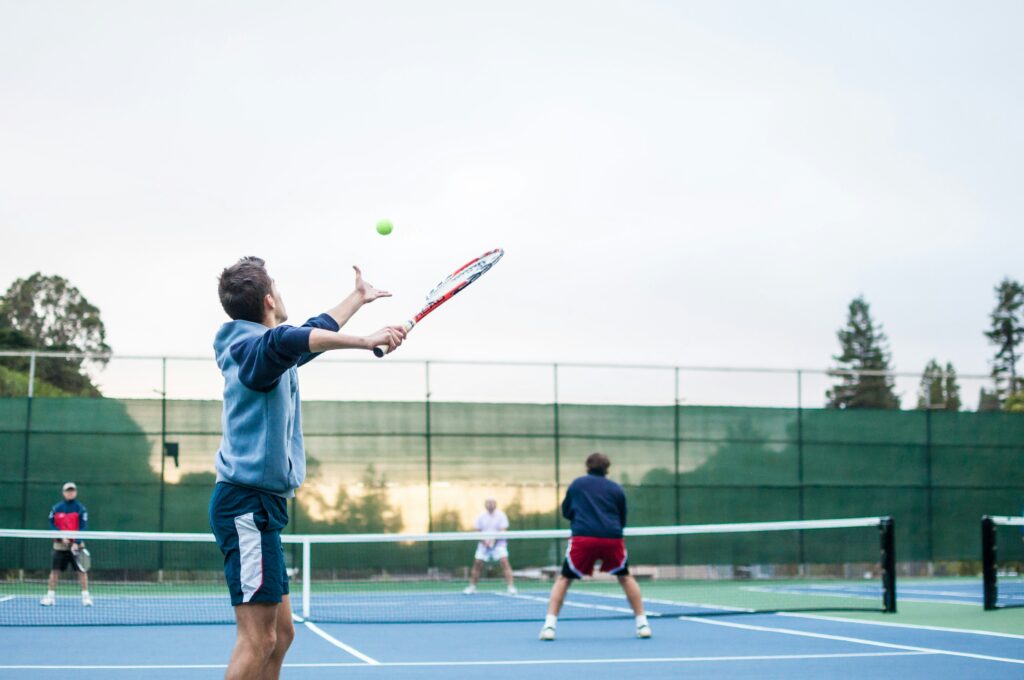
Tennis has long captivated athletes and fans worldwide. From neighborhood public courts to the grand stages of Wimbledon and the US Open, the sport holds a unique position in the world of athletics. While many sports offer excitement and competition, tennis consistently stands out for its blend of mental strength, physical endurance, and global appeal.
Unlike team-based games that rely heavily on group coordination, tennis places the spotlight squarely on the individual. Every serve, rally, and match point reflects the player’s preparation, resilience, and decision-making. This powerful combination of independence and intensity is one of the reasons tennis stands out from the rest.
A True Test of Physical and Mental Strength
Tennis demands a rare combination of speed, agility, strength, and stamina. Players sprint across the court, change direction in an instant, and generate explosive power with every serve and forehand. Matches can last for hours, especially in major tournaments, requiring sustained physical endurance that few other sports demand of a single athlete at such a high level.
Beyond physical conditioning, tennis challenges the mind just as intensely. Players must strategize constantly, adapting to their opponent’s style and responding to momentum shifts. There are no timeouts for coaching during many professional matches, so athletes must solve problems on their own. This balance between physical toughness and mental discipline makes tennis uniquely demanding and deeply rewarding.
An Individual Sport with Global Reach
One of the defining features of tennis is its individual nature. Players step onto the court alone, responsible for every success and every mistake. This independence fosters accountability and self-reliance, qualities that extend far beyond the game itself. While doubles matches exist, the core identity of tennis centers on personal performance and character.
At the same time, tennis enjoys extraordinary global popularity. Major tournaments are hosted on different continents, attracting competitors from nearly every corner of the world. The sport transcends language, culture, and geography. Fans from diverse backgrounds gather to watch iconic rivalries and historic matches, uniting people through shared excitement and admiration for skill.
A Sport for All Ages and Skill Levels
Tennis is remarkably accessible. Children can begin learning the basics at a young age, developing coordination and confidence along the way. Many schools and community centers offer courts and programs, enabling people from diverse backgrounds to participate. Unlike some sports that require extensive equipment or large teams, tennis needs only a racquet, a ball, and a court.
Even more impressive is the longevity that tennis offers. It is common to see players enjoying the sport well into their senior years. Because it can be adapted to different fitness levels and played at varying intensities, tennis becomes a lifelong activity. This inclusivity strengthens its appeal and ensures that it remains relevant across generations.
A Showcase of Strategy and Skill
Tennis is often compared to a physical chess match. Every point involves tactical decisions about shot placement, spin, pace, and positioning. A powerful serve may dominate one opponent, while another requires patience and extended rallies. Players must read body language, anticipate movement, and exploit weaknesses in real time.
The technical skills involved are equally impressive. Mastering the serve alone can take years of practice. Adding topspin to a forehand, executing a precise backhand slice, or delivering a perfectly timed drop shot demands discipline and repetition. These intricate skills highlight the artistry within tennis, elevating it beyond simple physical competition.
Unmatched Drama and Iconic Moments
Few sports produce the kind of tension that tennis delivers during a close match. The scoring system, with its games, sets, and tie breaks, creates natural peaks of suspense. A single point can shift momentum dramatically, turning a near defeat into a stunning comeback. This unpredictability keeps spectators on the edge of their seats.
Over the decades, tennis has provided countless unforgettable moments. Legendary rivalries have defined eras and inspired millions. From marathon finals to emotional championship speeches, the sport consistently offers powerful narratives. These stories contribute to tennis’s lasting cultural impact and solidify its reputation as one of the most captivating sports in the world.
Character Building and Personal Growth
Tennis teaches resilience in a direct and personal way. Losing a match means confronting one’s own performance without hiding behind teammates. This responsibility fosters maturity and self-awareness. Players learn to handle pressure, manage emotions, and recover from setbacks, skills that prove valuable in everyday life.
The discipline required to improve in tennis also promotes strong work habits. Regular practice, physical training, and mental preparation build a foundation of commitment. As players strive to refine their technique and strengthen their mindset, they develop perseverance and confidence. These traits often extend beyond the court, influencing academic, professional, and personal success.
A Unique Blend of Tradition and Innovation
Tennis is steeped in tradition, with tournaments that date back more than a century. The elegance of grass courts at Wimbledon and the clay battles at Roland Garros reflect a rich history. Ceremonies, dress codes, and longstanding rivalries create a sense of continuity that connects generations of players and fans.
At the same time, the sport continues to evolve. Advances in racquet technology, fitness training, and data analysis have transformed how the game is played. Players are faster, stronger, and more versatile than ever before. This balance between honoring tradition and embracing innovation keeps tennis fresh while preserving its distinctive identity.
Tennis stands apart from other sports because it challenges the body and mind equally, celebrates individual responsibility, and connects people worldwide. Its accessibility allows anyone to participate, while its professional stage offers unmatched drama and inspiration. The combination of strategy, athleticism, and emotional intensity creates an experience unlike any other.