Child Development and Kindness: Shaping a Better Future for Every Child


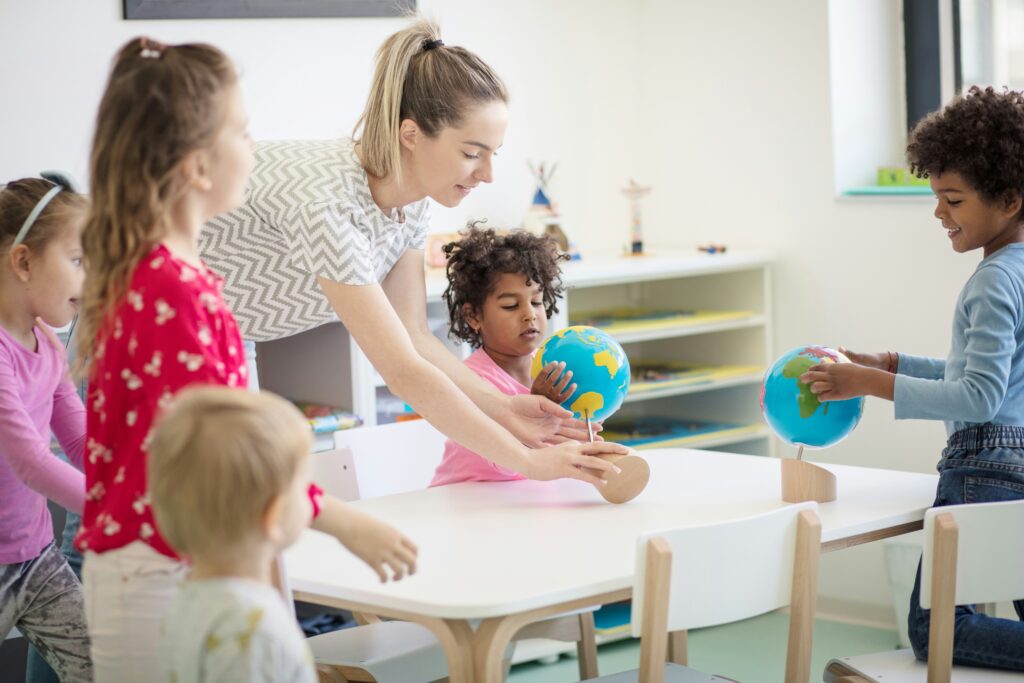
Child development and kindness play a powerful role in shaping how children grow, learn, and connect with the world. When children understand empathy early, they build stronger relationships and improve their social skills. At the same time, families, schools, and communities influence how these values form. Therefore, teaching kindness is not only a moral choice but also a practical step toward raising confident, respectful, and emotionally strong individuals.
The Importance of Kindness in Early Childhood
Kindness helps young children develop emotional awareness from an early age. When children learn to share, listen, and support others, they begin to understand different feelings. As a result, they build empathy and become more aware of their actions. This early understanding supports healthy emotional growth and strong social bonds.
Moreover, kindness reduces negative behavior and promotes cooperation. Children who practice kindness tend to feel more secure and valued. In addition, they develop better communication skills over time. As a result, they can interact positively with peers and adults in various settings.
How Parents Shape Kind Behavior
Parents strongly influence child development and kindness through everyday actions. When parents model respect, patience, and care, children often follow their example. For instance, simple acts like helping others or speaking kindly create lasting impressions. Therefore, consistent positive behavior at home builds a strong foundation.
At the same time, open conversations help children understand why kindness matters. When parents explain emotions clearly, children learn how to respond thoughtfully. In addition, praising kind behavior reinforces good habits. As a result, children feel motivated to continue acting with empathy and care.
The Role of Schools in Teaching Kindness
Schools provide a structured space where child development and kindness can grow together. Teachers guide children through group activities that encourage teamwork and respect. As children interact with classmates, they learn to appreciate different perspectives. Consequently, they develop important social skills.
Furthermore, many schools include social-emotional learning programs. These programs help children manage emotions and solve problems peacefully. In addition, classroom discussions about kindness promote reflection. As a result, children become more aware of how their actions affect others.
Long-Term Benefits of Kindness in Child Development
Teaching kindness early leads to positive outcomes later in life. Children who grow up with strong values often become responsible adults. They tend to treat others with respect in both personal and professional settings. Therefore, early lessons in kindness create a lasting impact.
Moreover, kindness supports mental well-being. Children who act kindly often feel happier and more fulfilled. In addition, they are less likely to engage in harmful behavior. As a result, they experience better emotional health as they grow.
Emotional Intelligence and Kindness
Emotional intelligence plays a key role in child development and kindness. When children understand their emotions, they can respond calmly and thoughtfully. For example, recognizing anger or frustration helps them avoid harmful reactions. Therefore, emotional awareness leads to better behavior.
In addition, kindness strengthens emotional intelligence by encouraging empathy. Children learn to see situations from another person’s point of view. As a result, they become more patient and understanding. This ability improves relationships and builds self-confidence over time.
Practical Ways to Encourage Kindness
Encouraging kindness in daily life can effectively support child development. Simple actions like sharing toys or helping with chores teach responsibility. In addition, reading stories about kindness helps children understand its value. Therefore, small daily efforts make a big difference.
At the same time, real-life experiences strengthen these lessons. Activities like volunteering or helping neighbors allow children to practice empathy. As a result, they see how their actions can help others. This hands-on approach builds both confidence and compassion.
The Link Between Kindness and Academic Success
Kindness also supports academic growth in children. When students feel safe and respected, they focus better in school. As a result, their learning improves. In addition, positive relationships with teachers and peers create a supportive environment.
Furthermore, children who practice kindness often work well in groups. They solve problems more effectively and stay calm under pressure. Therefore, social skills and emotional growth support academic success. This connection shows the value of kindness in education.
Building a Supportive Environment for Kindness
Creating a supportive environment helps child development and kindness grow naturally. When both home and school promote the same values, children receive clear guidance. As a result, they feel secure and confident. This consistency strengthens their behavior.
In addition, communities can encourage kindness through shared activities. Events, discussions, and teamwork help children practice empathy. Therefore, a culture of kindness benefits everyone. It creates a positive space where children can thrive.
The Role of Media and Technology in Teaching Kindness
Media and technology influence child development and kindness in today’s world. Children often learn behaviors by watching videos, playing games, and engaging with online content. Therefore, positive and educational content can promote empathy and respect. When children see kind behavior online, they are more likely to imitate it.
However, parents must guide children in using technology wisely. Setting limits and discussing online behavior helps children make better choices. In addition, encouraging positive digital interactions builds awareness. As a result, children learn to use technology responsibly and kindly.
Encouraging Kindness Through Daily Habits
Daily habits play an important role in child development and kindness, small actions like greeting others politely or helping a friend create meaningful lessons. Therefore, regular practice makes kindness a natural behavior. These habits build strong character over time.
In addition, consistency helps children understand expectations clearly. When kindness becomes part of daily routines, it feels normal and rewarding. This process strongly supports children’s social development. As a result, children develop a positive mindset. This mindset supports both emotional and social development.