Mastering Tennis Strategy Through Skill, Planning, and Athletic Endurance


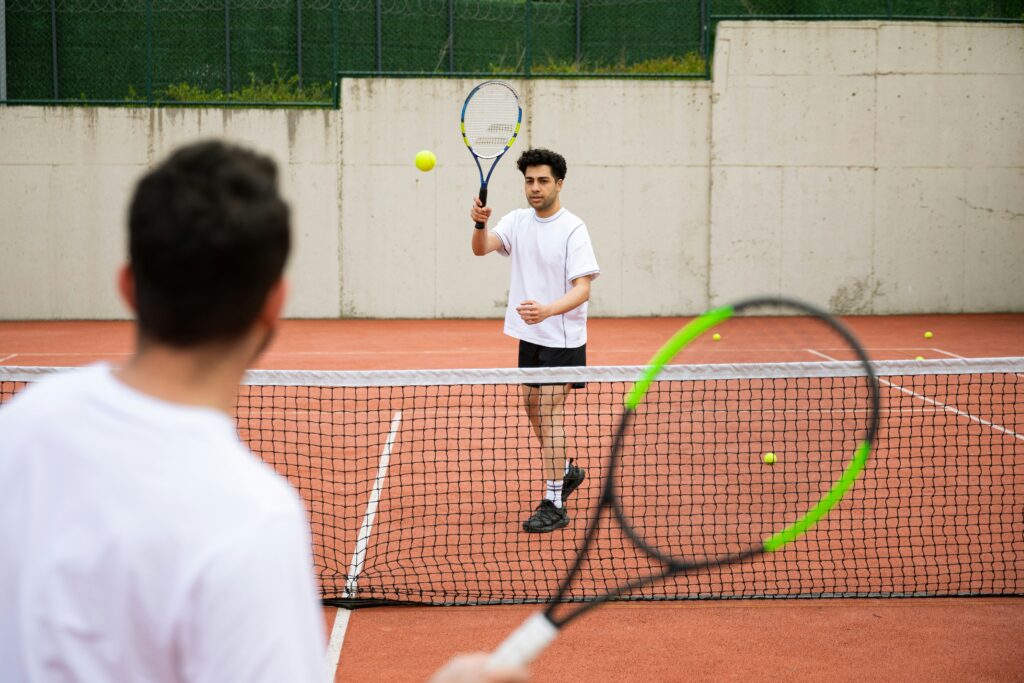
Mastering tennis takes more than powerful shots and quick movements. Successful players combine technical skill, mental preparation, physical conditioning, and thoughtful decision-making to perform consistently. Every match presents new challenges, so athletes must learn how to adjust their approach, manage pressure, and use their strengths effectively.
Moreover, building strong training habits can create confidence in competitive moments. With dedication and a balanced approach, players at every level can improve their abilities and enjoy long-term growth in the sport.
Building Strong Foundations Through Tennis Training
Every successful player begins with a strong foundation of basic skills. Proper footwork, balanced positioning, and accurate strokes create the platform needed for advanced performance. Furthermore, players who focus on correct techniques early can reduce mistakes and develop smoother movement patterns. Therefore, consistent practice remains essential for building reliable skills that support future improvement.
Developing tennis strategy helps athletes understand how different elements of the game connect. Players must recognize opponents’ patterns, select suitable shots, and control the pace of rallies. Smart preparation also helps athletes manage their energy throughout long matches. As a result, a strategic mindset can transform ordinary abilities into more effective competitive performance.
Improving Technical Skills for Better Court Performance
Technical improvement requires patience, repetition, and attention to detail. Players should practice serves, returns, groundstrokes, and volleys regularly because each skill contributes to overall success. Moreover, quality practice sessions should focus on accuracy and consistency instead of simply increasing speed. By creating disciplined routines, athletes can strengthen weaknesses and maintain their strongest abilities.
Advanced players understand that technique involves more than hitting the ball correctly. They also consider timing, body control, and court awareness during every exchange. Proper movement also lets players reach difficult shots while maintaining balance. As a result, technical refinement helps athletes respond faster and perform with greater confidence during important points.
Developing Physical Strength and Athletic Endurance
Physical conditioning plays a major role in competitive tennis because matches demand repeated bursts of speed, quick reactions, and sustained effort. Players need strong muscles, flexible movements, and efficient recovery habits to maintain performance. Endurance training also helps athletes stay focused as matches get longer and more challenging.
A complete fitness routine should include strength exercises, cardiovascular training, and mobility work. Proper nutrition and recovery also support better energy levels during practice and competition. Therefore, athletes who invest in physical preparation gain an advantage because they can maintain intensity from the first point until the final rally.
Understanding Mental Preparation and Match Confidence
Mental strength separates many successful players from those who struggle under pressure. Tennis requires concentration, emotional control, and the ability to recover after mistakes. Confident athletes also focus on solutions instead of getting distracted by negative moments. A positive mindset helps players stay calm in difficult situations.
Visualization and goal setting can also improve mental performance. Players can imagine successful actions before matches and create clear objectives for training sessions. Furthermore, learning from losses provides valuable lessons that support future growth. As a result, strong mental preparation encourages resilience and helps athletes approach challenges with greater confidence.
Using Smart Game Planning Against Opponents
Effective competition requires careful observation and flexible decision-making. Players should study opponents’ strengths, weaknesses, and preferred patterns before and during matches. Understanding different playing styles also helps athletes respond more effectively. For example, an aggressive opponent may require defensive patience, while a defensive player may require more attacking pressure.
Successful players adjust their plans as matches develop. They analyze points, recognize changing conditions, and make decisions that improve their chances of success. Adapting to surfaces, weather, and opponent behavior also creates a more complete approach to competition. Therefore, strategic awareness remains essential to achieving consistent results.
Creating Effective Practice Habits for Long-Term Growth
Regular practice drives improvement, but training quality matters more than simple repetition. Players should design sessions that include skill development, match simulations, and physical challenges. Moreover, tracking progress helps athletes identify areas that need additional attention. This approach creates a clear path toward continuous improvement.
Strong practice habits also require discipline outside the court. Players should maintain healthy routines, review performances, and stay committed to their goals. Working with experienced coaches can also provide valuable feedback and guidance. As a result, structured preparation helps athletes build stronger skills and confidence over time.
Balancing Speed, Accuracy, and Tactical Awareness
Tennis success depends on balancing aggressive play with controlled decision-making. Powerful shots can create opportunities, but accuracy and timing often determine outcomes. Players must also know when to attack and when to stay patient during rallies. This balance allows athletes to manage matches more effectively.
Court awareness improves when players understand positioning and movement patterns. They should recognize open spaces, anticipate returns, and use angles to create advantages. Efficient movement also reduces unnecessary energy use during competition. Therefore, combining speed with tactical awareness helps players become more complete and adaptable competitors.
Continuing Improvement Through Experience and Dedication
Long-term success in tennis comes from continuous learning and commitment. Every match provides opportunities to discover new strengths and improve weaknesses. Moreover, professional players understand that progress happens gradually through consistent effort. They remain focused on development rather than expecting immediate results.
The journey toward excellence requires passion, patience, and dedication. Players who embrace challenges can build stronger confidence and achieve meaningful improvement. Staying enthusiastic about learning also keeps the sport enjoyable through different stages of development. Ultimately, a commitment to growth helps athletes reach higher levels of performance and personal achievement.