Solo Focus vs Team Energy: Understanding Tennis and Basketball Dynamics


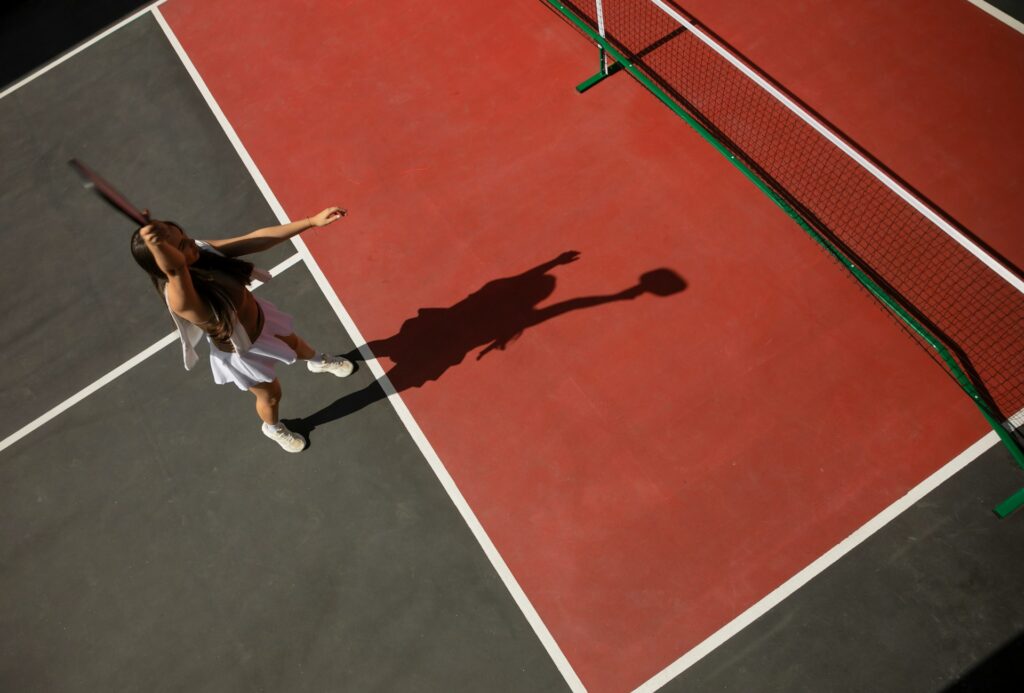
Sports teach valuable lessons about focus, skill, teamwork, and personal responsibility. However, not every sport challenges athletes in the same way. A solo sport like tennis places the spotlight on one athlete’s decisions, preparation, and ability to handle pressure alone. Meanwhile, a team sport like basketball depends on communication, cooperation, and shared effort. Understanding the difference between individual and team competition reveals how athletes develop unique skills in each environment.
The contrast between tennis and basketball shows how different forms of competition create different challenges. In tennis, players must rely on their own strategy, movement, and mental strength throughout the match. In basketball, players depend on teammates to create opportunities and overcome obstacles together. These differences highlight the importance of individual sports skills and how they shape athletic performance.
Personal Responsibility in Solo Competition
Tennis is a clear example of a solo sport because one player controls every point. When a tennis player wins or loses, the result depends largely on personal preparation, decision-making, and execution. There is no teammate available to cover mistakes or provide immediate support during the match.
Because of this, tennis players develop a strong sense of personal responsibility. They must manage their emotions, adjust their strategies, and stay focused during difficult moments. Every serve, return, and movement becomes a direct reflection of their own choices.
Furthermore, solo athletes often build confidence through independence. They learn how to trust their training and make quick decisions under pressure. This ability to rely on themselves becomes one of the defining features of individual competition.
Teamwork Creates a Different Challenge
Basketball creates a completely different experience because success depends on multiple players working together. Each athlete has a specific role, but the team must combine those roles to achieve a common goal. A talented player cannot succeed without support from teammates.
Moreover, basketball requires constant communication. Players must understand each other’s movements, share information quickly, and make decisions within seconds. These interactions create a level of cooperation that does not exist in individual sports.
Team sports teach athletes how to adjust their personal goals for the benefit of the group. A player may need to pass instead of shoot or focus on defense instead of scoring. This ability to prioritize teamwork creates a unique form of athletic growth.
Mental Pressure Looks Different in Each Sport
Both tennis and basketball require mental strength, but athletes experience pressure in different ways. Tennis players often face pressure alone because every mistake directly affects their score. They must recover quickly without relying on a teammate for encouragement or correction.
In contrast, basketball players share pressure with their teammates. A missed shot or defensive mistake can be balanced by another player’s effort. However, this also means athletes must handle expectations from coaches and teammates while maintaining team chemistry.
Therefore, mental toughness develops differently in each sport. Tennis builds self-control and individual resilience, while basketball strengthens communication and emotional connection with others. Both approaches create valuable lessons for athletes.
Strategy and Decision Making on the Court
Strategy plays an important role in both sports, but the approach changes depending on the competition style. Tennis players analyze opponents, choose shot placement, and adjust their game plans without outside assistance. Every decision comes from their own understanding of the match.
Basketball players, however, create strategies through teamwork. Coaches design plays, and players must execute those plans together. Success depends on timing, awareness, and the ability to respond as a group.
Additionally, both sports require strong awareness. Tennis players must read an opponent’s movements, while basketball players must recognize the positions of teammates and opponents. These differences show how athletes develop different types of sports decision-making abilities through their chosen activities.
Training Approaches Build Different Skills
Training for tennis and basketball requires dedication, but the focus often differs. Tennis players spend significant time improving individual techniques such as serving, footwork, and consistency. Their training focuses heavily on personal improvement.
Basketball training includes individual skills as well, but it also emphasizes teamwork. Players practice passing, defensive movement, and coordinated plays. They must understand how their actions influence the entire team.
As a result, athletes from each sport develop different strengths. Tennis players often improve independence and self-management, while basketball players build cooperation and communication skills. Both training styles prepare athletes for unique challenges.
Handling Wins and Losses
Winning and losing feel different in solo and team sports. A tennis player usually carries the full emotional weight of the result. A victory can feel deeply personal, but a loss may require the athlete to evaluate their own performance.
Basketball players experience results as a group. Wins are shared among teammates, and losses become opportunities for collective improvement. Players can support each other and learn from shared experiences.
However, both situations teach valuable lessons. Tennis encourages athletes to take ownership of outcomes, while basketball teaches accountability within a group. These experiences help athletes develop maturity and discipline.
Building Confidence Through Competition
Confidence develops differently depending on the type of sport an athlete plays. Tennis players often build confidence by overcoming personal challenges and improving their own abilities. Each successful match reinforces their belief in their preparation.
Basketball players often gain confidence through teamwork and shared success. Working with teammates can create a strong sense of belonging and motivation. The support of others can help players overcome difficult situations.
Additionally, both sports teach athletes that improvement requires patience. Progress does not happen instantly. Whether competing alone or with a team, athletes must continue practicing and learning. This creates athletic growth through competition that extends beyond the playing field.
Lessons From Two Different Sporting Worlds
Tennis and basketball represent two different paths to athletic development. Tennis teaches independence, personal responsibility, and mental strength because athletes must manage challenges alone. Basketball teaches cooperation, communication, and shared responsibility because success depends on a group effort. These experiences help athletes improve through athletic development and build skills that apply both inside and outside of sports.
Ultimately, both sports offer valuable lessons about discipline and growth. A tennis player learns to trust personal abilities, while a basketball player learns the power of working with others. These experiences help athletes develop skills that apply both inside and outside of sports.