One Player, One Team: Exploring Individual Strength vs. Collective Power in Tennis and Basketball


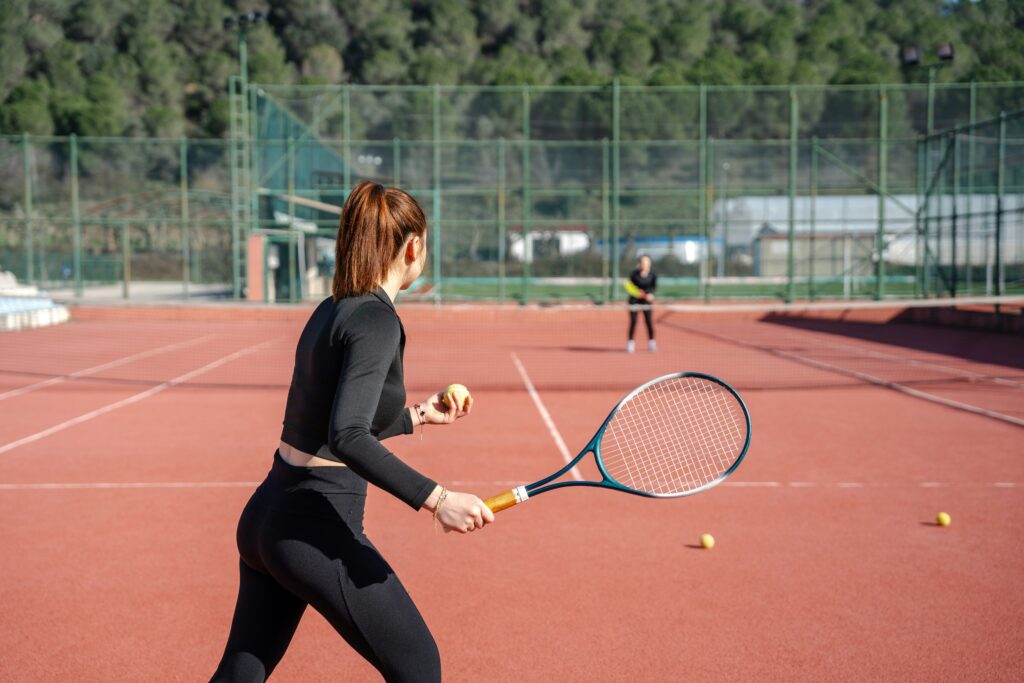
Sports teach valuable lessons about discipline, teamwork, confidence, and determination. Tennis and basketball are two popular sports that demonstrate these qualities in different ways. Tennis focuses heavily on individual performance, while basketball depends on teamwork. Both sports require physical fitness, mental strength, and strategic thinking, but their paths to success differ.
Comparing individual strength and collective power reveals what makes each sport unique. Tennis players must depend on their own skills to overcome opponents, while basketball players combine their abilities to achieve a shared goal. Understanding these differences helps explain how personal talent and teamwork influence athletic performance.
Tennis: The Power of Individual Strength
Tennis is a sport where individual ability often determines a match’s outcome. In singles tennis, one player faces another across the net, making every decision and movement important. Players must serve accurately, return powerful shots, control the ball, and adjust their strategies throughout the match.
Unlike team sports, tennis offers limited opportunities to rely on others during competition. Players must manage their emotions, maintain concentration, and recover quickly from mistakes. A missed shot or a poor decision can change the direction of a match, so mental toughness becomes just as important as physical ability.
Individual strength in tennis also involves independence and responsibility. Players must recognize their opponents’ weaknesses, identify their own mistakes, and develop solutions without direct help from a teammate. Their preparation, confidence, and ability to handle pressure can strongly influence their results.
However, tennis is not simply about natural talent. Consistent practice, patience, and self-discipline are essential for long-term improvement. Even highly skilled players need effective coaching, physical conditioning, and careful planning to compete successfully.
Basketball: The Power of Collective Teamwork
Basketball presents a different approach to athletic success because players compete as a unit. Each team works to score points, defend its basket, and prevent the opposing team from gaining an advantage. Although individual talent matters, success often depends on how effectively players coordinate.
Teamwork is central to basketball. Players pass the ball, create scoring opportunities, set screens, and communicate during fast-moving situations. A talented scorer may contribute many points, but that player’s performance becomes more effective when teammates provide support and create space.
Collective power also appears in defense. Players must understand their positions, protect one another, and respond quickly to changes in the opposing team’s strategy. One player’s mistake can create an opportunity for the other team, while a well-timed rotation or defensive rebound can help everyone regain control.
Leadership and trust are equally important. Basketball players need to understand their roles and respect their teammates’ abilities. Some players lead through scoring, while others contribute through passing, defense, or communication. When these different strengths work together, a team can perform beyond what individual talent alone might achieve.
Mental Strength: Handling Pressure in Both Sports
Mental strength plays a major role in both tennis and basketball, although athletes experience pressure differently. Tennis players often face long periods of individual responsibility. They must stay focused even when losing, manage frustration after mistakes, and maintain confidence without immediate support from teammates.
Basketball players also experience intense pressure, especially during close games. However, they can communicate with teammates, receive encouragement, and adjust their approach together. This shared responsibility can provide emotional support, although it also requires players to remain composed and cooperate under difficult circumstances.
Both sports demand resilience. Tennis teaches athletes to trust their preparation and take responsibility for their decisions. Basketball teaches them to communicate, support others, and remain committed to a common objective. These mental skills can benefit athletes in school, work, and everyday life.
Training and Strategy: Different Routes to Improvement
Training methods in tennis and basketball reflect their different demands. Tennis players spend significant time improving their footwork, serve, shot placement, endurance, and match strategy. They practice responding to different playing styles and learn to make quick decisions on their own.
Basketball training focuses on individual skills and team coordination. Players develop shooting accuracy, ball handling, passing, and defensive movement. They also practice plays, offensive patterns, and defensive systems that require everyone to understand their responsibilities.
Strategy is important in both sports. Tennis players adapt their tactics to an opponent’s movement and weaknesses, while basketball teams adjust their formations and decisions according to game conditions. In each sport, preparation creates a foundation for confident performance, but successful athletes must also react effectively to unexpected challenges.
What Tennis and Basketball Teach About Success
Tennis and basketball offer different but equally meaningful lessons about achievement. Tennis highlights the importance of independence, personal accountability, and performing under pressure. It reminds athletes that preparation and determination can help them overcome difficult situations.
Basketball demonstrates how cooperation can transform individual abilities into shared success. It teaches players to communicate clearly, respect different roles, and recognize that personal achievements often depend on others’ contributions.
Neither approach exists entirely on its own. Tennis players benefit from coaches, training partners, and support teams, while basketball players must develop individual skills before they can contribute effectively to a group. Both sports combine personal effort with outside support, even though they emphasize these elements differently.
Final Thoughts: Balancing Personal Talent and Team Success
Individual strength and collective power represent two important sides of athletic achievement. Tennis shows how discipline, confidence, and independent decision-making can help one player succeed against a direct opponent. Basketball shows how trust, communication, and coordinated effort help a team work toward a common goal.
Comparing tennis and basketball reveals that success is not based on talent alone. Athletes need dedication, strategic thinking, and mental resilience, whether they compete individually or as part of a team. Ultimately, both sports show that personal growth and cooperation drive achievement, offering lessons that extend far beyond the court.