Courtside Contrast: The Unique Challenges of Solo and Team Sports


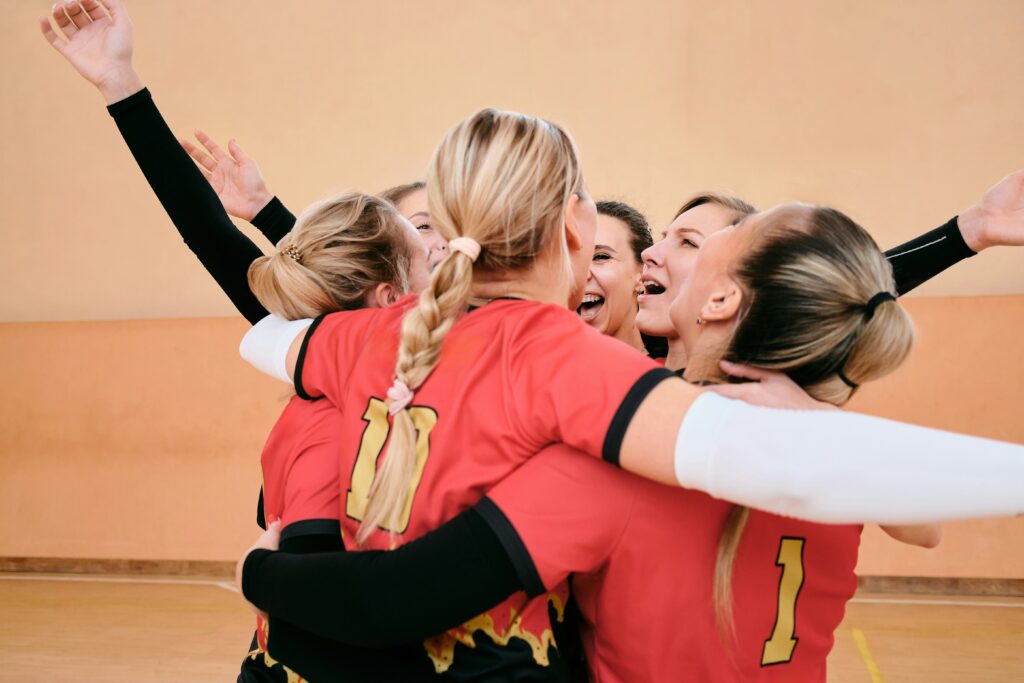
Sports offer valuable opportunities for personal growth, physical fitness, and mental development. However, individual and team sports create different challenges that influence how athletes train, compete, and manage pressure. While solo athletes depend on personal decisions and individual performance, team players must coordinate their efforts with others. Understanding these differences helps athletes recognize the skills and responsibilities that each competitive environment demands.
Both formats also require dedication, discipline, and emotional strength. Individual sports encourage independence and personal accountability, whereas team sports emphasize cooperation and shared objectives. Although their structures differ, both approaches develop essential life skills. Exploring the unique challenges of solo and team sports reveals how different athletic experiences shape confidence, leadership, resilience, and long-term success.
Understanding the Fundamental Differences Between Sports
Individual sports place athletes at the center of every competitive decision. Activities such as tennis, swimming, gymnastics, and track events require participants to manage their performance independently. As a result, athletes must develop strong concentration, technical skills, and personal discipline. Their preparation directly influences their results, leaving little opportunity to rely on teammates during competition.
In contrast, team sports involve several athletes working toward common objectives. Basketball, soccer, football, and volleyball require effective communication and coordinated strategies. Moreover, individual talent alone rarely guarantees success. Players must understand their responsibilities while supporting their teammates. Therefore, team performance depends on collective preparation, cooperation, and the ability to adjust during challenging situations.
Managing Pressure in Individual Athletic Competition
Solo athletes often experience intense psychological pressure because their results depend largely on personal execution. Every mistake becomes their responsibility, and competitive setbacks can affect confidence. For example, a tennis player must respond independently after losing several important points. Similarly, a swimmer must maintain concentration throughout an event without direct assistance from teammates.
However, individual competition also creates opportunities for personal development. Athletes learn to assess mistakes, regulate emotions, and stay motivated during difficult moments. Additionally, mental preparation techniques such as visualization and goal setting can improve competitive focus. Over time, these experiences strengthen independence and help athletes develop confidence in their ability to overcome obstacles.
Building Communication and Trust in Team Sports
Team sports introduce challenges that extend beyond individual athletic ability. Players must communicate clearly, understand different personalities, and maintain trust during competition. As a result, misunderstandings can disrupt strategies and reduce overall effectiveness. A basketball team, for instance, needs coordinated movement, accurate passing, and defensive communication to maintain control throughout a game.
Furthermore, successful teamwork requires athletes to balance personal ambitions with collective responsibilities. Some players may receive fewer scoring opportunities or less recognition, even when they make important contributions. Nevertheless, supporting teammates remains essential for achieving shared goals. Coaches can encourage cooperation by establishing clear expectations, promoting respectful communication, and recognizing contributions beyond individual statistics.
Comparing Training Demands and Physical Preparation
Individual athletes often follow specialized training programs that address their personal strengths and weaknesses. A competitive runner may focus on endurance, pacing, and recovery, while a gymnast develops balance, flexibility, and technical precision. As a result, solo training lets athletes and coaches make detailed adjustments based on individual performance goals.
Meanwhile, team sports require both personal conditioning and coordinated practice sessions. Players must develop physical abilities while learning formations, tactical movements, and shared strategies. Different positions also demand specific training approaches. For example, soccer goalkeepers require different preparation than midfielders. As a result, coaches must balance individual development with the team’s overall competitive requirements.
Developing Leadership and Personal Accountability
Leadership looks different in individual and team sports. Solo athletes demonstrate leadership through self-discipline, decision-making, and personal responsibility. They must organize their preparation, respond to criticism, and remain committed to improvement. As a result, individual competition can strengthen self-management skills that carry into education, careers, and everyday responsibilities.
Team athletes, however, develop leadership through cooperation and influence. Captains and experienced players often motivate teammates, resolve disagreements, and encourage consistent effort. Moreover, effective leadership does not always require an official title. Athletes can show responsibility by supporting struggling teammates, maintaining positive attitudes, and setting an example through consistent performance.
Handling Defeat and Celebrating Athletic Success
Losing creates different emotional experiences depending on the competitive environment. Individual athletes may feel personally responsible for disappointing results, especially after extensive preparation. Therefore, learning to separate personal worth from athletic performance becomes important. Constructive feedback, realistic expectations, and consistent practice can help athletes respond positively to setbacks.
Conversely, team athletes share responsibility for victories and defeats. Although collective support can reduce individual pressure, disagreements may arise when players assign blame. Additionally, celebrating success requires recognizing everyone’s contribution rather than focusing exclusively on standout performers. Strong teams develop accountability by reviewing mistakes together and maintaining respect during difficult competitive periods.
Choosing the Right Competitive Environment
Selecting between solo and team sports depends on personal interests, physical abilities, and preferred learning experiences. Athletes who enjoy independent challenges may appreciate the direct accountability of individual competition. Solo activities also offer opportunities to measure progress through personal records and specific performance goals.
On the other hand, athletes who enjoy social interaction and shared achievement may prefer team competition. Collaborative environments encourage communication, patience, and relationship building. Nevertheless, participating in both formats can offer broader developmental benefits. Athletes may find that individual training builds confidence, while team participation strengthens cooperation and adaptability.
Finding Long-Term Value in Both Sports Formats
Individual and team sports contribute to personal development in meaningful ways. Solo competition encourages independence, emotional control, and responsibility, while team participation develops communication, trust, and collaborative problem-solving. Therefore, neither format offers a universal advantage. Each provides distinct experiences that help athletes understand their capabilities and improve performance.
Ultimately, athletic success involves more than winning competitions or collecting awards. Consistent effort, healthy relationships, and personal improvement create lasting benefits. Whether athletes compete independently or alongside teammates, they develop valuable habits through preparation and perseverance. By recognizing the unique challenges of solo and team sports, participants can choose experiences that support their goals and encourage lifelong growth.