Understanding the Different Demands of Individual and Team Sports


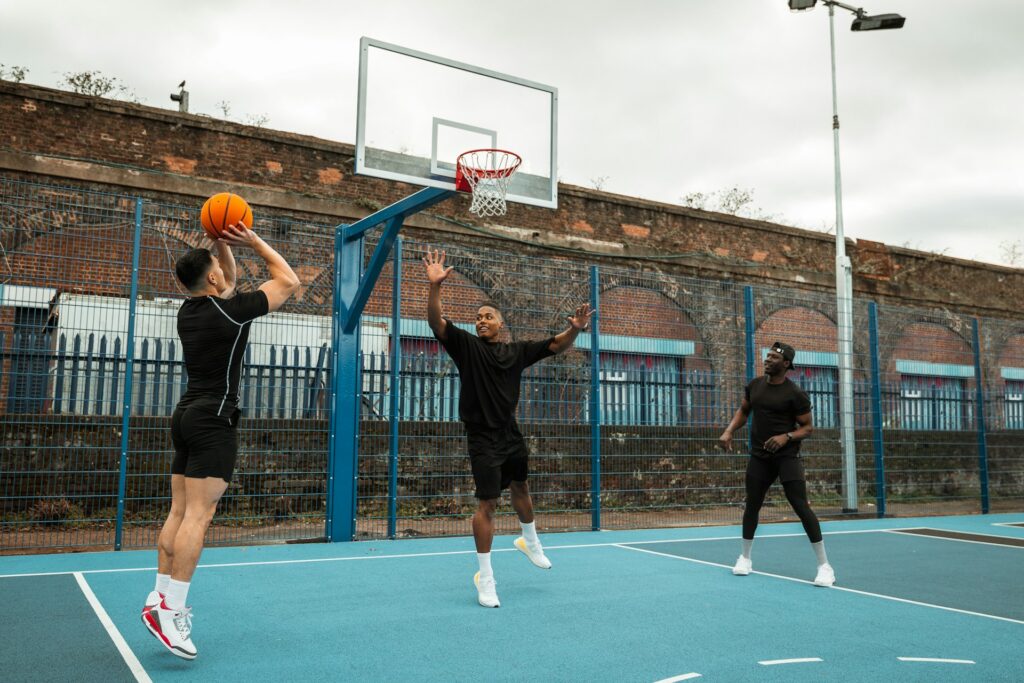
Sports challenge athletes in different ways, depending on how they compete. Individual sports emphasize personal responsibility, while team sports require cooperation and shared effort. However, both demand physical ability, mental strength, and consistent preparation. Understanding these differences helps athletes develop the skills they need to succeed in their chosen activities.
Moreover, individual and team competitions create unique experiences that influence motivation, decision-making, and performance. While solo athletes depend largely on their own abilities, team players must coordinate with others to achieve common goals. Therefore, recognizing these demands helps athletes improve their performance and approach competition with greater confidence.
Personal Responsibility in Individual Sports
Individual sports such as tennis, swimming, gymnastics, and track and field place responsibility directly on the athlete. Every decision, movement, and performance affects the final result. As a result, competitors must develop strong self-discipline and learn to manage pressure without depending on teammates.
Furthermore, individual athletes often create personal training routines and measure progress through individual achievements. They must recognize weaknesses, improve their techniques, and stay motivated during challenging periods. Consequently, self-awareness and personal accountability become essential parts of their athletic development.
Teamwork and Cooperation in Group Sports
Team sports such as basketball, soccer, volleyball, and football require athletes to work together toward shared objectives. Although individual talent matters, successful performance depends heavily on communication and coordination. Therefore, players must understand their responsibilities while supporting their teammates throughout competition.
Additionally, team athletes must adapt to different personalities, playing styles, and strategies. Strong cooperation helps teams overcome difficult situations and maintain consistent performance. As a result, athletes develop interpersonal skills that strengthen relationships both during competition and beyond the playing field.
Mental Pressure and Emotional Challenges
Mental pressure affects athletes in every competitive environment. However, individual competitors often experience greater personal accountability because they cannot share responsibility for mistakes or disappointing results. For example, a tennis player must recover from missed opportunities without relying on another player to change the outcome.
Meanwhile, team athletes face emotional challenges related to group expectations and collective performance. A single mistake can influence an entire team’s success, creating pressure to meet shared standards. Still, supportive teammates can encourage players during difficult moments, helping them maintain confidence and emotional stability.
Different Approaches to Training and Preparation
Training methods vary according to the demands of each sport. Individual athletes usually focus on improving specific physical abilities, technical skills, and personal performance goals. For instance, swimmers work on stroke efficiency, endurance, and speed. Therefore, their preparation often centers on measurable improvements in individual performance.
In contrast, team athletes must combine personal development with coordinated practice sessions. Coaches emphasize communication, positioning, tactical awareness, and group strategies. Regular team exercises also help players see how their actions affect others, building stronger connections and more effective competitive performance.
Decision-Making During Competitive Events
Individual athletes must make quick decisions without direct assistance from teammates. Whether choosing a running pace or adjusting a tennis strategy, competitors rely on their judgment and preparation. Consequently, they need strong concentration, confidence, and the ability to evaluate changing situations under pressure.
Team sports, by contrast, involve decisions that affect several players at once. Athletes must recognize opportunities, communicate effectively, and respond to teammates’ movements. Additionally, successful teams often depend on players who can balance personal initiative with collective strategies to achieve better results.
Leadership and Communication Skills
Leadership appears differently in individual and team sports. Solo competitors demonstrate leadership through self-management, determination, and personal accountability. Because they control much of their competitive approach, they must set goals and stay committed to improvement. Therefore, effective self-leadership helps them overcome setbacks and maintain long-term progress.
Meanwhile, team sports encourage athletes to develop leadership through communication, encouragement, and cooperation. Captains and experienced players often guide teammates during challenging situations. Moreover, every team member can contribute by demonstrating responsibility and maintaining a positive attitude, regardless of their official position.
Motivation and Long-Term Athletic Development
Motivation plays an important role in helping athletes maintain consistent performance. Individual competitors often find inspiration through personal achievements, improved records, and individual milestones. However, they must also develop internal motivation because progress sometimes occurs without immediate recognition or external encouragement.
Similarly, team athletes gain motivation from shared accomplishments and supportive relationships. Celebrating victories together creates meaningful experiences that strengthen commitment. Furthermore, working toward collective goals can encourage athletes to remain dedicated even when their personal performance temporarily declines.
Managing Success and Learning From Failure
Success in individual sports often brings personal recognition and a strong sense of accomplishment. However, athletes must also accept responsibility when results fall short of expectations. Rather than dwelling on disappointment, successful competitors analyze their performance and identify opportunities to improve.
In team sports, athletes share both victories and defeats. Therefore, players must learn to celebrate collective success without overlooking individual contributions. Likewise, they should approach disappointing results with accountability and mutual respect. This mindset helps teams improve while maintaining positive relationships.
Building Confidence Across Different Sports
Confidence develops through preparation, experience, and consistent effort. Individual athletes strengthen their self-belief by overcoming obstacles independently and achieving personal goals. Moreover, learning to perform under pressure helps them trust their abilities when facing unfamiliar competitive situations.
Team athletes, however, build confidence through both personal development and trust in others. Effective communication and dependable teammates create a supportive competitive environment. Ultimately, individual and team sports offer valuable growth opportunities. Understanding their different demands allows athletes to develop physical skills, mental resilience, leadership abilities, and a lasting appreciation for competition.