How Everyday Kindness Helps Children Build a Brighter Future


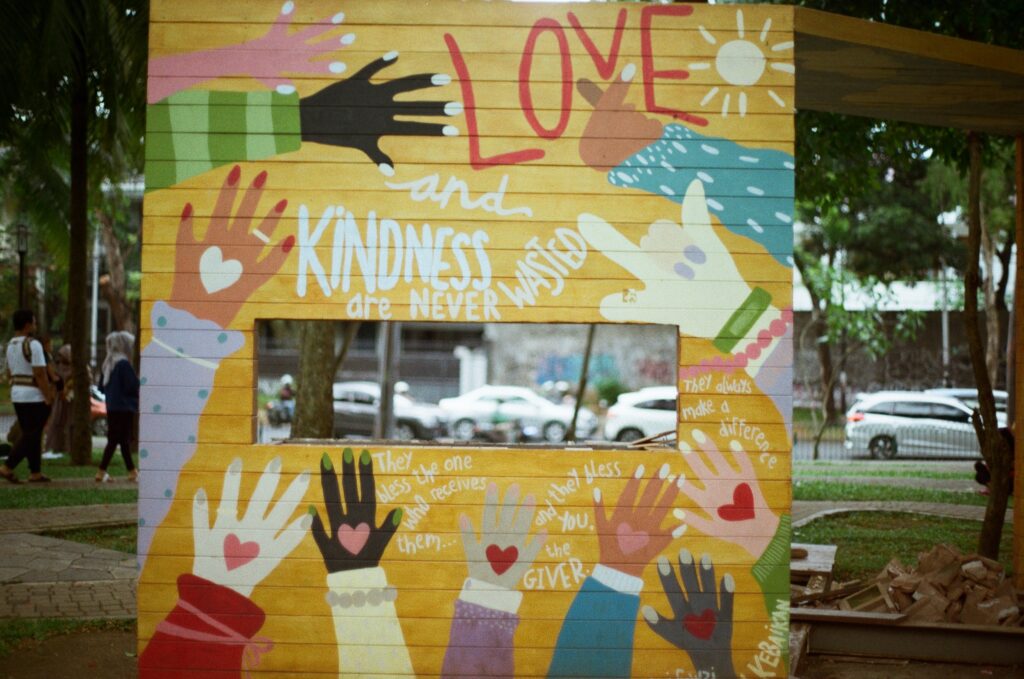
Kindness plays a powerful role in a child’s emotional development. When adults treat children with patience, respect, and compassion, children begin to feel safe and valued. As a result, they develop greater confidence and learn to express their emotions in healthy ways. A kind word from a parent, teacher, or caregiver can reassure a child during a difficult moment and help them regain a sense of security. Moreover, consistent kindness teaches children that they deserve respect, which strengthens their self-esteem and supports their emotional well-being.
In addition, kindness helps children build resilience when they face disappointment, failure, or change. Children who receive encouragement often recover more quickly from setbacks because they know that mistakes do not define their worth. For example, when a teacher calmly guides a student after an incorrect answer, the student becomes more willing to try again. Therefore, compassionate support does more than ease temporary discomfort; it gives children the emotional tools they need to approach future challenges with courage and determination.
Supportive Relationships Improve Learning
Children learn more effectively when they feel supported by the people around them. A welcoming classroom, a caring home, and an encouraging community can increase a child’s motivation to participate and explore new ideas. Furthermore, kind adults create environments where children feel comfortable asking questions without fearing embarrassment. This sense of trust allows them to take academic risks, solve problems, and develop curiosity. Consequently, kindness directly contributes to stronger learning habits and better educational outcomes.
At the same time, supportive relationships help adults recognize each child’s unique needs. Some children may require additional academic guidance, while others may need emotional reassurance or a quieter learning environment. When adults listen carefully and respond with understanding, they can offer more effective support. In turn, children become more engaged because they feel seen rather than ignored. Thus, kindness improves learning not only through encouragement but also through attentive and responsive care.
Compassion Teaches Children How to Treat Others
Children often copy the behavior they observe. Therefore, when adults demonstrate kindness in daily interactions, children learn how to communicate respectfully and respond to others with empathy. They notice how a parent helps a neighbor, how a teacher comforts an upset student, or how a caregiver speaks calmly during a conflict. Over time, these examples shape the way children treat friends, classmates, siblings, and strangers. As a result, kindness spreads from one relationship to another.
Moreover, children who practice compassion often develop stronger social skills. They learn to share, cooperate, apologize, and consider another person’s feelings. These abilities can reduce conflict and make it easier for children to form meaningful friendships. For instance, a child who notices that a classmate feels left out may invite that person to join a game. Although the action may seem small, it can create a lasting sense of belonging. In this way, compassionate behavior strengthens both individuals and communities.
Small Acts Can Create Lasting Change
Kindness does not need to involve dramatic gestures. Instead, simple actions can have a strong and lasting effect on a child’s life. Listening without interruption, praising genuine effort, offering help, or remembering an important event can show a child that someone cares. Likewise, providing school supplies, sharing a meal, or spending time with a child can reduce stress and create stability. Because children remember how adults make them feel, these moments can influence their confidence for many years.
Additionally, small acts of support can encourage children to help others. When a child experiences generosity, that child may become more likely to offer kindness in return. This pattern creates a ripple effect that extends through families, schools, and neighborhoods. For example, one student’s decision to welcome a new classmate may inspire others to do the same. Consequently, a single thoughtful action can gradually transform the culture of an entire group.
Communities Share Responsibility for Children
Although families play an essential role in a child’s development, communities also carry an important responsibility. Schools, health care providers, local organizations, faith groups, and neighborhood leaders can work together to create safe and supportive spaces. Furthermore, community programs can provide tutoring, mentoring, recreation, meals, and emotional support. These resources often offer children opportunities their families may struggle to provide on their own. Therefore, community kindness can reduce inequality and help more children succeed.
However, effective support requires more than occasional charity. Communities must listen to families, understand local challenges, and offer consistent assistance. For instance, a mentoring program should build long-term relationships rather than organize only one event. Similarly, schools should communicate regularly with parents and caregivers instead of contacting them only when problems arise. Through steady cooperation, communities can create systems that protect children, strengthen families, and promote lasting progress.
Kindness Protects Children During Hard Times
Children may face poverty, family conflict, illness, displacement, bullying, or other difficult experiences. During these situations, kindness can become a source of stability and hope. A trusted adult who listens and responds without judgment can help a child feel less alone. Additionally, practical support, such as access to counseling, nutritious food, safe housing, or educational assistance, can reduce the pressure that children experience. In this way, compassionate action protects both their immediate well-being and their future development.
Nevertheless, adults must offer support with sensitivity and respect. Children should never feel ashamed of needing help. Instead, caregivers and organizations should protect their dignity and involve them in age-appropriate decisions. For example, adults can ask children what would make them feel safer or more comfortable. By listening carefully, adults show that children’s voices matter. Consequently, respectful kindness empowers children rather than making them feel powerless.
Investing in Children Strengthens the Future
Supporting children creates benefits that extend far beyond childhood. When children grow up with encouragement, education, safety, and compassion, they are more likely to become responsible and caring adults. They may become teachers, parents, health professionals, business owners, community leaders, or volunteers who support others. Therefore, every positive investment in a child can contribute to a healthier and more stable society.
Ultimately, kindness gives children more than temporary comfort; it gives them a stronger foundation for life. Families, educators, neighbors, and institutions all have opportunities to make a difference through consistent and thoughtful action. Moreover, when people choose kindness every day, they create an environment in which children can learn, heal, and thrive. The ripple effect begins with one caring decision, but it can continue across generations and help build a brighter future for everyone.