How Tennis Blends Smart Tactics With Physical Endurance


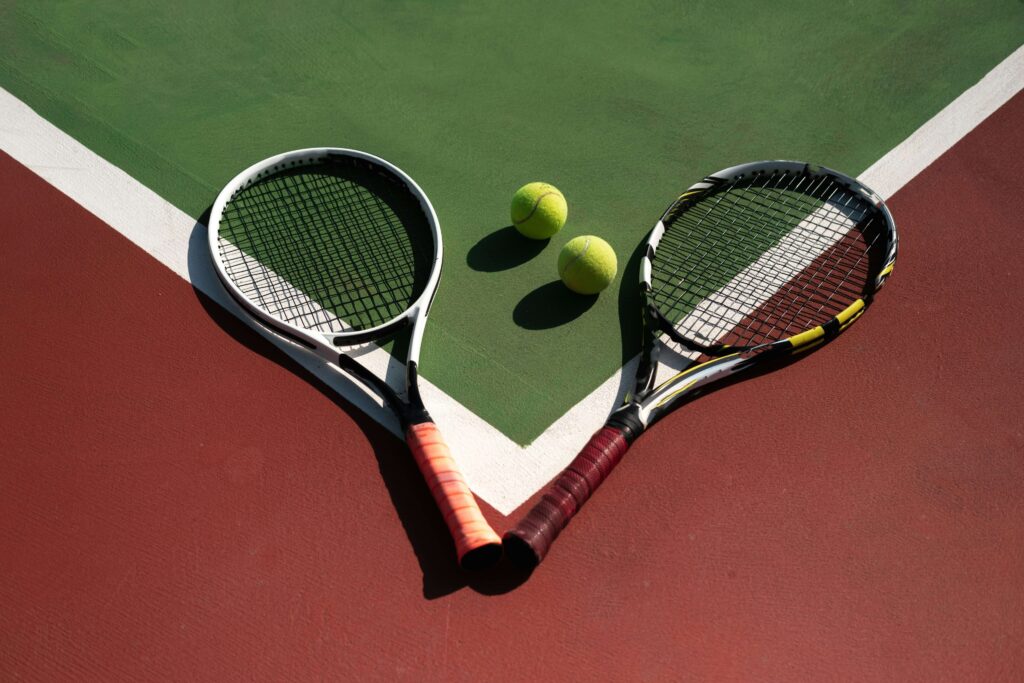
Tennis is more than hitting a ball over a net. It is a demanding sport that combines strategic thinking, physical strength, mental focus, and remarkable endurance. Every match challenges players to make quick decisions while moving across the court, responding to powerful shots, and managing their energy. Success depends not only on technical skills but also on understanding an opponent, recognizing opportunities, and maintaining consistent performance under pressure. This unique combination makes tennis an exciting test of both intelligence and athletic ability.
The Strategic Side of Tennis
Tactical thinking plays a major role in tennis because every shot can influence the direction of a match. Players must study their opponents, identify weaknesses, and choose the right moment to attack or defend. Instead of simply returning the ball, skilled players consider its placement, speed, height, and angle to create an advantage.
For example, hitting the ball toward an opponent’s weaker side may force an error or create an opening for the next shot. A well-placed drop shot can bring an opponent closer to the net, while a deep baseline shot can push them backward. These decisions require awareness, patience, and the ability to predict what might happen next.
Tennis strategy also changes throughout a match. A player who begins by attacking aggressively may switch to a defensive approach when facing a stronger opponent. Recognizing these situations helps players conserve energy, control rallies, and respond effectively to changing conditions.
Physical Endurance Fuels Consistent Performance
Although strategy is essential, tennis also requires excellent physical conditioning. Players repeatedly sprint, stop, change direction, and reach for difficult shots. These movements place considerable demands on the legs, core, shoulders, and arms. Even a short rally can involve intense bursts of activity, followed by brief recovery periods.
Physical endurance helps players maintain speed, balance, and shot accuracy throughout a match. Without sufficient stamina, footwork becomes slower, reactions decline, and simple mistakes become more frequent. Fatigue can also affect concentration, making it harder to recognize tactical opportunities.
Long matches require extra preparation. Players may compete for several hours, especially when games remain closely contested. Cardiovascular fitness, muscular endurance, and efficient movement help them sustain their performance without losing control of their technique.
How Strategy and Stamina Work Together
The strongest tennis players understand that tactical decisions and physical endurance are inseparable. A smart strategy can reduce unnecessary movement, while strong conditioning helps players execute demanding plans. Together, these qualities create a more complete and effective style of play.
For instance, a player who understands court positioning can anticipate an opponent’s return and move into the right place before the ball arrives. This reduces wasted energy and improves the chances of making a successful shot. Similarly, a player with excellent stamina can extend a rally until an opponent becomes tired or makes a mistake.
Choosing when to attack matters just as much. Attempting to hit a winner on every point can quickly drain energy and increase errors. Patient players often build rallies carefully, waiting for a weaker return before striking aggressively. This balance between controlled play and decisive action demonstrates how intelligence can improve physical efficiency.
Mental Focus Under Pressure
Tennis demands significant mental strength because players must make decisions independently during competition. Unlike team sports, players usually have no teammate to take over when their concentration slips. Players must manage frustration, recover from mistakes, and remain focused on the next point.
Pressure becomes especially challenging during tie-breaks, deciding sets, and important service games. In these moments, physical fatigue can make clear thinking harder. Experienced players rely on routines, controlled breathing, and positive self-talk to maintain composure.
Mental discipline also supports tactical flexibility. When a particular strategy stops working, players must recognize the problem and adjust without becoming discouraged. Staying calm allows them to evaluate the situation, choose better shots, and use their remaining energy wisely.
Training for Tactical Awareness and Endurance
Effective tennis training develops both physical fitness and decision-making ability. Conditioning exercises improve speed, agility, balance, and cardiovascular health, while strength training supports powerful movements and helps players tolerate repeated physical demands. Proper recovery, hydration, and nutrition are equally important for maintaining performance.
Practice sessions should also recreate realistic match situations. Players can work on placing shots under pressure, responding to different playing styles, and choosing appropriate tactics during extended rallies. These exercises teach athletes to make quick decisions while tired, which is essential during competitive matches.
Video analysis and coach feedback can further improve tactical awareness. By reviewing their movement patterns and shot selection, players can identify weaknesses and develop more efficient strategies. Over time, this combination of physical preparation and thoughtful practice builds confidence and consistency.
A Complete Test of Skill and Fitness
Tennis stands out because it rewards athletes who combine endurance with intelligent decision-making. Physical strength helps players reach difficult balls and sustain long rallies, while tactical awareness enables them to control the pace, exploit openings, and avoid unnecessary effort. Mental resilience connects these abilities, allowing players to perform under pressure.
Tennis success comes from balancing movement, strategy, and concentration. Players who develop these qualities together can adapt to changing challenges, conserve energy, and make better decisions when matches become demanding. This blend of athletic performance and tactical intelligence is what makes tennis both challenging to master and fascinating to watch.