Individual Strength vs. Collective Power: Tennis and Basketball


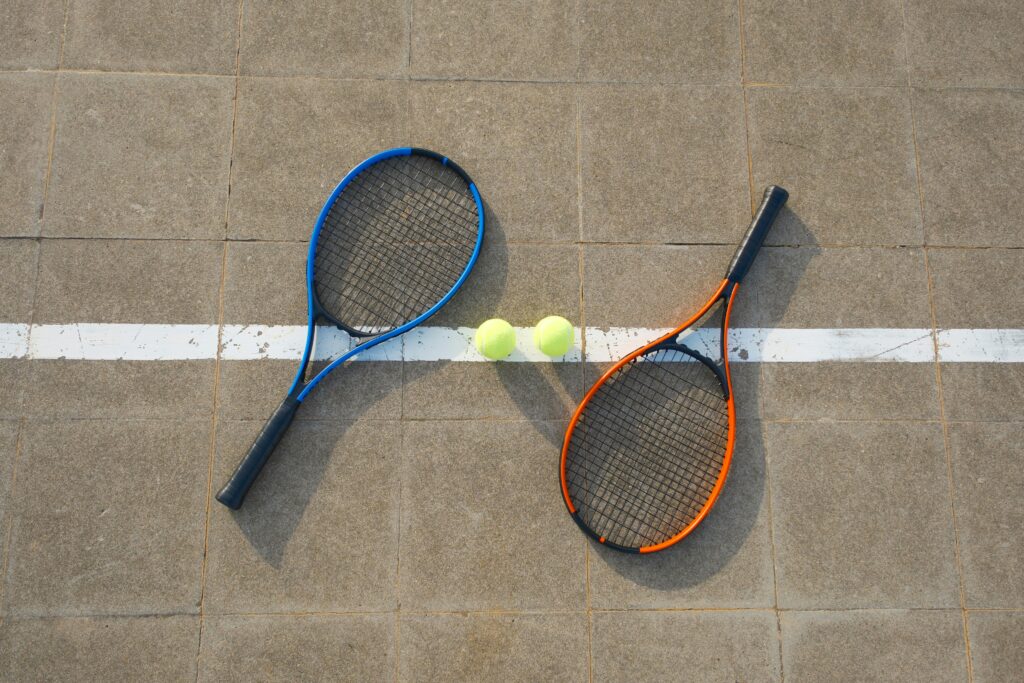
Sports reveal character in ways that few other activities can. They test preparation, confidence, discipline, decision-making, and the ability to perform under pressure. Tennis and basketball provide two very different examples of how athletes face these challenges. Tennis often places responsibility directly on one player. Basketball spreads responsibility across a team that must communicate and work together.
The contrast between the two sports goes beyond the number of people competing. Tennis shows how individual strength can shape performance when an athlete has limited help during competition. Basketball demonstrates what happens when individual talent becomes part of a larger system. Both sports demand skill and mental strength, but they teach different lessons about responsibility, leadership, trust, and success.
The Different Meaning of Responsibility
A tennis player steps onto the court knowing that personal decisions will shape the match. The player chooses how to serve, where to place the ball, when to attack, and how to respond after losing a point. A coach may help with preparation, but once play begins, the athlete carries much of the responsibility.
Basketball divides that responsibility among several players. One athlete can make an excellent pass, but a teammate still needs to finish the play. A defender may force an opponent into a difficult position, while another player completes the defensive effort. This shared responsibility makes basketball less dependent on one person’s actions, even when a star player has a major influence.
Mental Pressure Feels Different in Each Sport
Tennis can create intense personal pressure because there is often no teammate who can immediately cover a mistake. A double fault, poor return, or missed opportunity belongs directly to the player. The athlete must manage frustration quickly because the next point may begin within seconds.
Basketball creates pressure in a different way. Players know their decisions affect everyone on the floor. A rushed shot or missed defensive assignment can hurt the entire team. However, teammates can also provide encouragement and help recover from mistakes. Players learn to handle personal pressure while remaining aware of the emotional state of the group.
Independence Shapes the Tennis Player
Tennis rewards athletes who can solve problems on their own. Opponents may change tactics during a match, forcing players to recognize what is happening and respond without waiting for someone else to make the decision. This develops independence and strong personal awareness.
That independence can influence how tennis players approach preparation as well. They must understand their strengths, weaknesses, habits, and emotional reactions. A player who loses focus cannot simply expect a teammate to restore control. Learning to manage these moments can develop patience and personal responsibility that extend beyond the court.
Basketball Turns Cooperation Into Strength
Basketball depends heavily on players understanding one another. A team may have several talented athletes, but talent alone does not guarantee smooth performance. Players must recognize where teammates will move, when someone needs help, and when passing creates a better opportunity than taking a difficult shot.
Trust becomes especially important during close games. Players must believe that teammates will complete their responsibilities. A player who tries to control every possession can weaken the group, even when that person has outstanding ability. Basketball teaches athletes that giving someone else an opportunity can sometimes create a better result than trying to succeed alone.
Leadership Takes Different Forms
Leadership in tennis begins with self-management. Players must control their emotions, maintain concentration, and make adjustments during competition. They cannot depend on a team captain to restore confidence after every difficult moment. Their ability to lead themselves often determines how well they respond when momentum changes.
Basketball allows leadership to become more visible between people. A player can encourage a struggling teammate, communicate during defense, or help the group stay focused after a difficult stretch. Leadership does not always come from the highest scorer. A reliable teammate who communicates clearly and keeps others engaged can have a major effect on the team’s performance.
Preparation Reflects the Demands of Competition
Tennis preparation focuses strongly on building an athlete who can remain effective across a complete match. Players work on movement, serving, returning, shot selection, and physical endurance. They also need to prepare for opponents with different styles. Since the athlete must make many decisions independently, preparation needs to build both confidence and adaptability.
Basketball preparation requires individual improvement alongside team practice. A player can work privately on shooting or ball control, but team sessions are necessary to develop shared timing and understanding. Players need to know how their teammates react in different situations. Preparation therefore becomes both personal and collective.
Success Changes the Way Athletes View Failure
A tennis loss can feel deeply personal because the final result belongs to one competitor in singles play. There is no teammate to share the scoreboard. This can make defeat difficult, but it also creates a clear opportunity for reflection. Players can examine their decisions, preparation, and emotional control to understand what needs improvement.
Basketball players must examine failure from two perspectives. They need to consider their personal performance while also understanding what happened to the team. A player may perform well individually and still lose. Another player may have a difficult game while teammates secure the victory. This teaches athletes that personal statistics and collective success do not always tell the same story.
Communication Has Different Roles
Tennis often requires an internal form of communication. Players must recognize their emotions and understand what their body and performance are telling them. They need to notice when frustration is affecting decisions or when fatigue requires a change in approach. This awareness can help them regain control before a difficult period becomes worse.
Basketball depends on direct communication between teammates. Players call out defensive changes, signal movement, offer encouragement, and warn each other about developing situations. Clear communication can prevent mistakes and create better opportunities. The sport shows how sharing useful information quickly can improve the performance of an entire group.
Individual Talent Still Matters in a Team
Basketball celebrates teamwork, but individual skill remains essential. A team becomes stronger when players can shoot, defend, pass, and make good decisions. Collective power does not replace individual development. It depends on it.
The difference is how those abilities are used. A basketball player must understand when personal talent helps the group and when another teammate has a better opportunity. This requires judgment and humility. Great team performance often appears when skilled individuals use their strengths without allowing personal goals to interfere with shared goals.
Tennis and Basketball Offer Lessons Beyond Sports
Tennis reflects many situations in life where individuals must take direct responsibility. Exams, personal projects, important decisions, and individual goals often require people to rely on their own preparation. The ability to stay calm, adapt, and continue after mistakes can be valuable far beyond competition.
Basketball reflects environments where people depend on one another. Workplaces, families, organizations, and communities often succeed through cooperation. People need to contribute their own strengths while respecting what others bring. Progress becomes easier when individuals understand that asking for help, sharing responsibility, and trusting others are not signs of weakness.
Finding Balance Between Self-Reliance and Teamwork
Tennis and basketball may appear to represent opposite approaches, but their deeper lessons complement each other. Tennis shows the importance of independence, accountability, and emotional control. Basketball highlights communication, trust, shared responsibility, and cooperation.
Life often requires both approaches. There are moments when a person must make a difficult decision alone and accept the result. There are also situations where success depends on listening, collaborating, and allowing others to contribute. Understanding when to rely on individual strength and when to embrace collective power can create a more complete approach to challenges.
Neither personal ability nor teamwork works best in every situation. Tennis reminds us that strong individuals must learn to stand on their own. Basketball shows that capable individuals can accomplish something different when they combine their strengths. Together, these sports demonstrate that excellence can grow through self-reliance and cooperation. The real lesson is learning how to develop both.