Solo Precision vs. Team Momentum: What Tennis and Basketball Teach Us


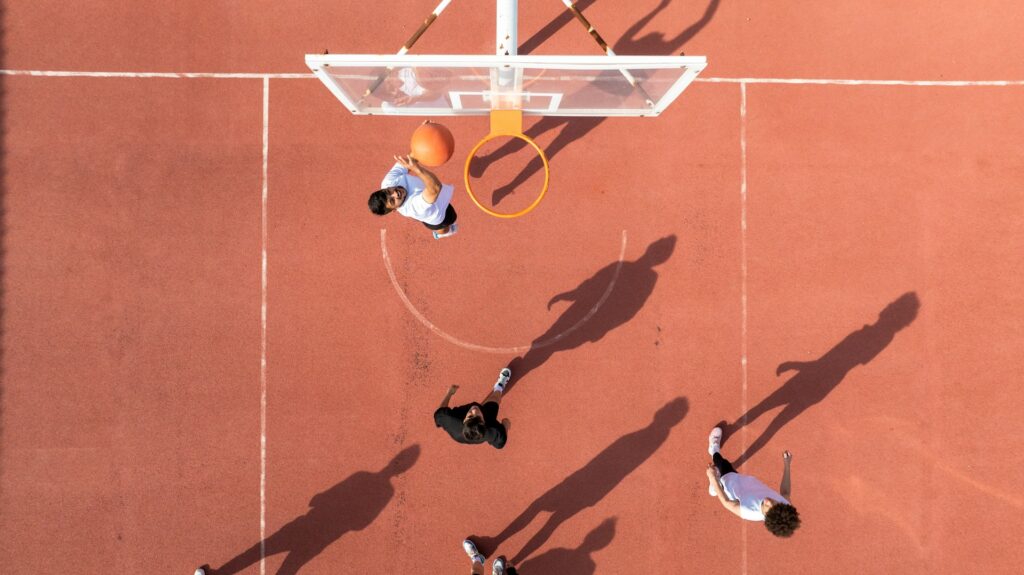
Sports can reveal a lot about how people handle pressure, responsibility, and success. Tennis places most of the burden on one athlete, while basketball depends on several players working as one unit. Because of this contrast, comparing the two sports helps explain the difference between personal excellence and shared performance. Through individual athletic discipline, tennis players learn to trust their own decisions, while basketball players learn that timing and teamwork often matter just as much as personal talent.
Both sports demand fitness, skill, focus, and mental control. However, they develop those qualities in very different ways. Tennis rewards independence and self-correction, while basketball depends on communication and cooperation. As a result, each sport offers a different lesson about what it means to perform under pressure.
Carrying Full Responsibility on the Court
Tennis players cannot pass responsibility to a teammate when something goes wrong. Every serve, return, and tactical choice belongs to the person holding the racket.
This creates a strong sense of personal responsibility. If a player loses focus, the score may change quickly. Therefore, tennis teaches athletes to manage mistakes without waiting for someone else to fix them.
Basketball spreads responsibility across the team. One player may miss a shot, but another can grab the rebound or make a defensive stop. Consequently, mistakes often become shared problems rather than individual failures.
That difference shapes how athletes respond to pressure. Tennis encourages self-reliance, while basketball develops trust in others.
Making Decisions in Different Ways
Tennis requires constant personal decision-making. Players must choose where to serve, when to attack, and how to adjust to an opponent.
Because coaches cannot control every moment, players need strong awareness. They must read patterns and change tactics during the match.
Basketball decisions happen within a moving team system. A player must decide whether to pass, shoot, drive, or reset the offense while also watching teammates and defenders.
Therefore, basketball rewards players who process several moving parts at once. Good decisions often depend on understanding what everyone else is doing.
Handling Pressure Without the Same Support
Tennis can feel mentally demanding because the athlete faces pressure alone. There is no teammate on the court who can take over after a difficult point.
A player may lose several points in a row and still need to remain calm. As a result, tennis builds emotional control and the ability to recover quickly.
Basketball players also experience pressure, but teammates can provide support. A struggling scorer may contribute through passing or defense while another player handles more of the offense.
This shared support can reduce individual pressure. However, it also creates responsibility to stay engaged even when another teammate becomes the main focus.
Balancing Personal Skill With Group Roles
Every basketball player brings individual strengths to the court. Still, those strengths must fit the larger team plan.
A great scorer who refuses to pass may hurt the offense. Likewise, a talented defender who ignores rotations can create open shots for the other team.
This is where coordinated team performance becomes essential. Successful basketball teams combine individual talent with clear roles, communication, and trust.
Tennis offers a different challenge. Since the player controls nearly every action, personal weaknesses become harder to hide. Therefore, athletes must build complete skill sets that include movement, serving, defense, and shot selection.
Training for Independence or Connection
Tennis practice often focuses on personal technique and repeated patterns. Players work on serves, footwork, groundstrokes, and point construction.
Although coaches and practice partners help, the athlete must eventually perform alone. Therefore, training builds confidence in personal routines.
Basketball practice places more attention on group movement. Teams rehearse defensive rotations, passing patterns, screens, and offensive sets.
Individual training still matters, but team practice teaches players how their movement affects everyone else. As a result, basketball athletes learn to connect personal skill with shared goals.
Learning Leadership Through Different Paths
Leadership in tennis begins with self-management. Players must control their emotions, maintain effort, and adjust when a plan stops working.
This kind of leadership is personal. The athlete becomes responsible for creating energy and discipline without relying on teammates.
Basketball leadership often looks more social. Players communicate, encourage teammates, organize the defense, and help maintain focus.
Therefore, strong basketball leaders must understand people as well as strategy. They may need to motivate one teammate while calming another during the same game.
Defining Success Beyond Statistics
Tennis offers a clear result. One player wins, and the other loses. That direct outcome can make personal performance easier to judge.
However, statistics do not always tell the full story. A player may improve decision-making or compete well against a stronger opponent despite losing.
Basketball success is even harder to measure through individual numbers alone. A player may score very little while making important passes, screens, or defensive plays.
For this reason, both sports teach athletes to look beyond simple results. Progress often includes better habits, smarter decisions, and stronger mental control.
Finding Strength in Two Different Models
The biggest lesson from this comparison is that success can grow from different sources. Tennis highlights self-reliant competitive focus, since players must solve problems and manage emotions on their own. Basketball shows how shared effort can multiply individual ability when players trust one another and accept their roles.
Neither model is better in every situation. Instead, they develop different strengths. Tennis teaches independence, patience, and personal responsibility, while basketball develops communication, cooperation, and shared leadership. Together, they show that strong performance can come from standing alone or working as part of something larger.