The Healing Power of Community Service: Why Helping Others Strengthens Mental Well-Being


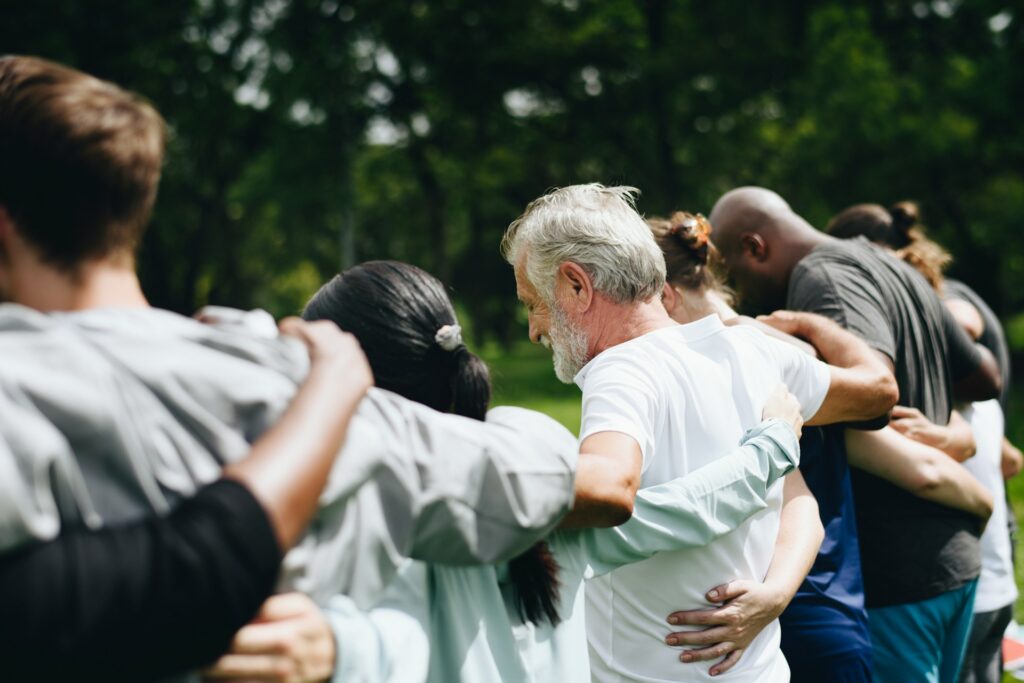
Many people look for ways to improve their emotional well-being, yet one of the most effective solutions often starts with helping someone else. Giving time, energy, or kindness to others creates a sense of purpose that benefits both the community and the individual. In fact, community wellness volunteering has become a meaningful way to reduce stress, build confidence, and create stronger emotional connections.
Acts of generosity do not need to be large to make a difference. Whether someone volunteers at a local food pantry, mentors a child, or simply checks on a neighbor, these actions can improve daily life. As people give back, they often discover greater happiness, stronger relationships, and a healthier outlook on life.
Finding Purpose Through Everyday Kindness
Many people struggle with feelings of isolation or uncertainty, especially during stressful periods. Helping others offers a positive way to shift attention away from personal worries while creating meaningful experiences.
Volunteering also reminds people that their actions matter. Even small contributions can improve someone else’s day, which creates a sense of accomplishment. Over time, this growing purpose helps strengthen emotional resilience and encourages a more positive mindset.
Building Meaningful Human Connections
Strong relationships play an important role in mental wellness. Community service naturally brings people together through shared goals and common values. As volunteers work alongside others, they develop friendships that often extend beyond the project itself.
These social connections help reduce loneliness and create reliable support networks. Furthermore, spending time with compassionate people encourages healthy conversations and emotional understanding, making it easier to navigate life’s challenges.
Lowering Stress With Positive Action
Daily pressures from work, school, or family responsibilities can affect emotional health. Fortunately, helping others creates opportunities to step away from personal stress and focus on meaningful activities.
Volunteer work often includes physical movement, teamwork, and creative problem-solving. These experiences encourage relaxation while giving the mind a healthy break from everyday worries. As a result, many volunteers report feeling calmer and more balanced after serving their communities.
Growing Confidence One Step at a Time
Confidence grows through positive experiences. Every successful volunteer effort reminds people that they can make a real difference in someone else’s life. This growing self-belief often carries into other areas, including work, education, and personal relationships.
In addition, volunteering helps people discover talents they may not have recognized before. Organizing events, leading projects, or supporting community programs builds practical skills that strengthen both confidence and independence.
Creating Healthy Habits That Last
Giving back often becomes part of a healthy lifestyle. People who volunteer regularly tend to develop routines that include social interaction, physical activity, and meaningful engagement with others.
These habits can support long-term emotional wellness. Instead of focusing only on personal challenges, volunteers become part of something larger than themselves. During this journey, volunteer self-care naturally develops as individuals experience the emotional rewards of helping others while also caring for their own well-being.
Moreover, consistent service encourages gratitude. Appreciating what we have often leads to greater contentment and a healthier perspective on daily life.
Learning Compassion Through Shared Experiences
Community involvement introduces people to different backgrounds, life stories, and challenges. These experiences help build empathy and encourage a deeper understanding of others.
As compassion grows, so does emotional maturity. People become better listeners, stronger supporters, and more thoughtful decision makers. These qualities improve family relationships, friendships, and professional interactions while strengthening overall mental health.
Small Acts Can Create Lasting Change
Many people believe they need significant time or resources to make a difference. However, even simple acts of kindness can create meaningful change. Donating books, helping at community events, or offering encouragement to someone in need all contribute to stronger communities.
Additionally, these small actions often inspire others to participate. Kindness spreads from one person to another, creating positive momentum that benefits entire neighborhoods. This ripple effect strengthens both individual well-being and community spirit.
Giving With Heart Creates Lifelong Rewards
Helping others offers benefits that reach far beyond the immediate moment. Through consistent acts of kindness, people develop stronger emotional health, greater resilience, and a deeper appreciation for human connection. Mental health resilience grows naturally when individuals experience the satisfaction of supporting others while building meaningful relationships within their communities.
Ultimately, giving back is not only about improving someone else’s life. It also helps people discover purpose, confidence, and hope within themselves. By making community service a regular part of life, anyone can create lasting positive change while supporting both personal wellness and the well-being of those around them.